

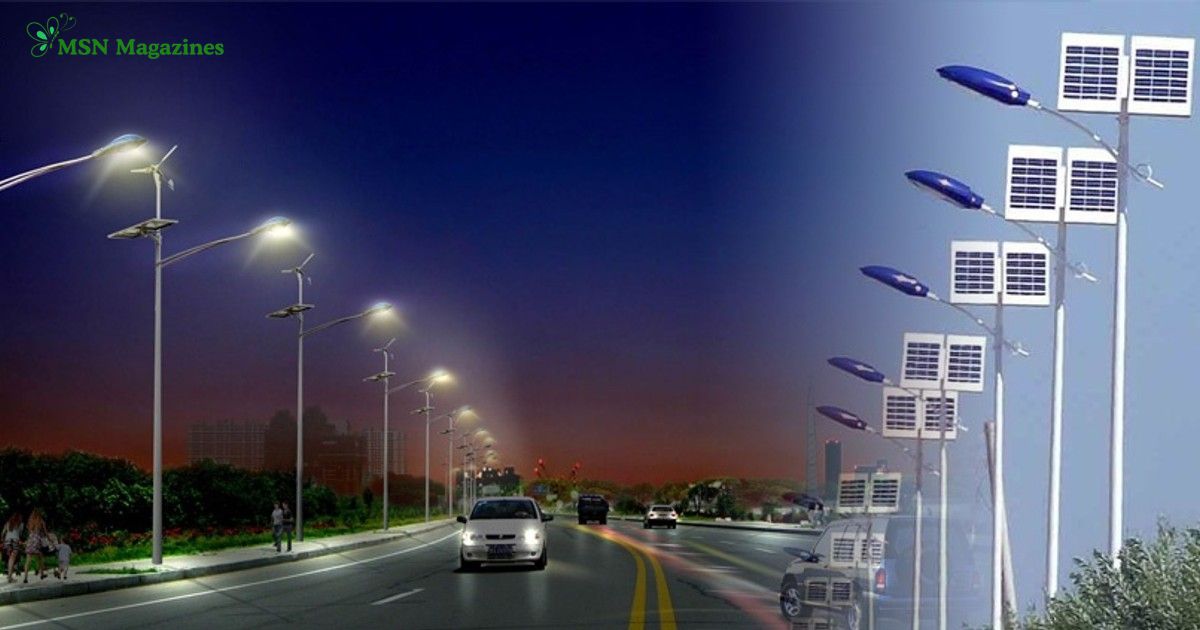
Imagine a street light that cleans itself every time it rains. Sounds futuristic, right? Well, that future is already here.
The concept of a self cleaning street light palm oil system combines advanced lighting technology with eco-friendly materials derived from palm oil to create a smarter, cleaner and more sustainable lighting solution.
Why palm oil? Because it’s a renewable resource with versatile chemical properties that make it ideal for producing sustainable polymers and coatings. When responsibly sourced, palm oil-based materials can significantly reduce the carbon footprint of lighting systems.
As cities move toward sustainability goals and smart infrastructure, the demand for low-maintenance, eco-friendly solutions is skyrocketing. Self cleaning street light palm oil systems aren’t just a trend, they represent a shift toward smarter urban living.
So, what makes them so revolutionary? Let’s break it down step by step.
What Is a Self Cleaning Street Light?
At its core, a self cleaning street light is exactly what it sounds like: a lighting system designed to automatically remove dirt, dust, and debris from its surface without manual cleaning. But there’s much more going on beneath the surface.
Traditional street lights require periodic maintenance. Workers must clean the fixtures to maintain brightness and ensure optimal performance. In dusty or polluted areas, this can happen several times a year. Each maintenance cycle costs money, consumes resources, and increases operational downtime.
Now picture a light that stays clean on its own. Self cleaning street lights use specialized coatings that prevent dirt from sticking. These coatings are typically hydrophobic, meaning they repel water. When it rains, water droplets roll across the surface, carrying away dust and contaminants, almost like a mini car wash happening naturally.
The Role of Palm Oil in Street Light Manufacturing
You might be wondering, how does palm oil fit into street lighting? It’s not like we’re pouring cooking oil into light bulbs. The connection is much more technical and innovative than that.
Palm oil derivatives are used in the production of bio-based polymers and resins. These materials are then applied as protective coatings on the outer surfaces of street light fixtures and solar panels. The goal? Create a durable, water-repellent, and environmentally friendly layer that enhances the self-cleaning effect.
Traditionally, synthetic coatings were petroleum-based. While effective, they came with environmental concerns, including high carbon emissions and non-biodegradable waste. Palm oil offers a renewable alternative. When sustainably sourced, it provides raw materials that can replace fossil-fuel-based chemicals in manufacturing.
The benefits go beyond sustainability:
- High durability
- Excellent moisture resistance
- Improved UV stability
- Reduced environmental toxicity
Palm oil-based coatings can also improve flexibility and adhesion, which means the protective layer lasts longer and performs better under extreme weather conditions.
How Does Self Cleaning Technology Work?
Ever noticed how water beads up and rolls off a lotus leaf? That’s nature’s own self-cleaning system. Scientists call it the “lotus effect,” and it’s exactly what inspires self cleaning street light palm oil technology.
The secret lies in surface engineering.
Self-cleaning coatings are typically either hydrophobic or photocatalytic or sometimes both.
Hydrophobic Coatings
Hydrophobic means “water-fearing.” These coatings create microscopic textures on the surface that repel water. When rain hits the surface, droplets form beads instead of spreading out. As those droplets roll down, they collect dirt particles and wash them away.
Palm oil-derived polymers help create this textured layer in a more eco-friendly way.
Photocatalytic Coatings
These coatings use materials like titanium dioxide. When exposed to sunlight, they trigger a chemical reaction that breaks down organic matter, dust, pollution, even bacteria. It’s like sunlight activates a cleaning mechanism.
Combined with rainwater, the effect becomes even stronger.
Electrostatic Resistance
Some advanced systems also reduce static electricity buildup, which prevents dust from sticking in the first place.
The result? Cleaner surfaces, better light transmission, and longer-lasting performance.
Instead of scheduling frequent cleanings, municipalities can rely on natural elements like sunlight and rain. That means lower maintenance costs and fewer service interruptions.
It’s clever, efficient, and surprisingly simple once you understand the science behind it.
Why Palm Oil-Based Materials Gaining Popularity?
If you look at global manufacturing trends, one thing becomes crystal clear, industries are shifting toward renewable resources. And that’s exactly why palm oil-based materials are gaining serious momentum in the lighting sector. The self cleaning street light palm oil concept is not just about smart cleaning technology; it’s also about smarter material choices.
Palm oil is one of the most versatile plant-based oils available today. Through chemical processing, it can be converted into bio-polymers, resins, and surfactants that replace petroleum-based components. In street light manufacturing, these derivatives are used in protective coatings, sealants, and even insulation materials.
Why does this matter?
Because traditional petroleum-based coatings come with environmental costs. They rely on fossil fuels, generate higher carbon emissions during production, and often leave behind non-biodegradable waste. Palm oil-based materials, when sustainably sourced, significantly reduce that environmental footprint.
Here’s why manufacturers are embracing them:
- Renewable resource: Palm oil trees continuously produce fruit, making it a sustainable raw material.
- Lower carbon emissions: Bio-based materials often require less energy to produce.
- Improved biodegradability: Reduced long-term environmental impact.
- Enhanced flexibility and durability: Better performance in extreme weather conditions.
But there’s a catch, sustainability depends on responsible sourcing. Certified sustainable palm oil ensures minimal deforestation and ethical farming practices. When properly regulated, palm oil becomes part of a circular economy rather than a destructive one.
Key Components of a Self Cleaning Street Light Palm Oil System
To fully understand how this system works, you need to look at its building blocks. A self cleaning street light palm oil system isn’t just a regular lamp with a fancy coating. It’s an integrated smart solution made up of several critical components working together seamlessly.
Let’s break it down.
1. LED Lighting Module
Modern systems rely on high-efficiency LED lights. LEDs consume significantly less energy compared to traditional sodium or halogen lamps. They also generate less heat and last much longer, often up to 50,000 hours or more.
2. Solar Panel (Optional but Common)
Many self-cleaning street lights are solar-powered. The solar panels are coated with hydrophobic palm oil-based materials to prevent dust accumulation. This ensures maximum sunlight absorption and consistent energy generation.
3. Palm Oil-Based Self-Cleaning Coating
This is the star of the show. Applied to the outer glass or panel surface, this coating repels water and dirt. It enhances durability and ensures long-term transparency, maintaining optimal light output.
4. Smart Sensors
Advanced systems include:
- Motion sensors
- Daylight sensors
- Dimming controls
- Remote monitoring modules
These features allow lights to adjust brightness based on activity levels, saving energy during low-traffic hours.
5. Durable Housing
The outer casing is typically corrosion-resistant aluminum or composite material designed to withstand extreme weather conditions.
When combined, these components create a lighting solution that is not only energy-efficient but also low-maintenance and environmentally friendly.
Environmental Benefits of Self Cleaning Street Lights
Let’s talk about impact. Because at the end of the day, technology must serve the planet, not harm it.
One of the biggest advantages of self cleaning street light palm oil systems is their environmental contribution. These systems tackle multiple sustainability challenges at once.
1. Reduced Water Usage
Traditional maintenance requires water for cleaning fixtures. Multiply that across thousands of street lights in a city, and the water consumption becomes massive. Self-cleaning coatings eliminate the need for manual washing.
2. Lower Carbon Emissions
Because these systems require fewer maintenance visits, there are fewer service trucks on the road. That means reduced fuel consumption and lower emissions.
3. Longer Lifespan
Dirt buildup can cause overheating and reduced light output. By keeping surfaces clean, the system operates efficiently for longer periods, reducing waste from premature replacements.
4. Sustainable Materials
Palm oil-based coatings reduce dependency on fossil fuels. When responsibly sourced, they contribute to renewable manufacturing cycles.
5. Enhanced Energy Efficiency
Clean solar panels absorb more sunlight. Clean lenses transmit more light. The result? Better performance with less energy input.
RELATED POST: Keine Karriere-Subdomain Gefunden
Energy Efficiency and Cost Savings
Let’s be honest, sustainability is important, but budgets matter too. Governments and businesses need solutions that make financial sense. The beauty of the self cleaning street light palm oil system is that it delivers both environmental and economic benefits.
First, consider energy efficiency. LED technology alone reduces energy consumption by up to 60–70% compared to traditional lighting systems. Add smart sensors that dim lights during low-traffic hours, and savings increase even further.
Now factor in maintenance costs.
Traditional street lights require:
- Regular cleaning
- Bulb replacement
- Frequent inspections
- Labor and transportation costs
Self-cleaning systems significantly reduce these expenses. With fewer maintenance cycles, municipalities save on workforce allocation, equipment usage, and operational downtime.
Let’s look at a simplified comparison:
| Feature | Traditional Street Light | Self Cleaning Street Light Palm Oil |
| Cleaning Frequency | 3–4 times/year | Minimal |
| Energy Consumption | High | Low |
| Lifespan | 3–5 years | 8–12 years |
| Maintenance Cost | High | Low |
Smart Technology Integration
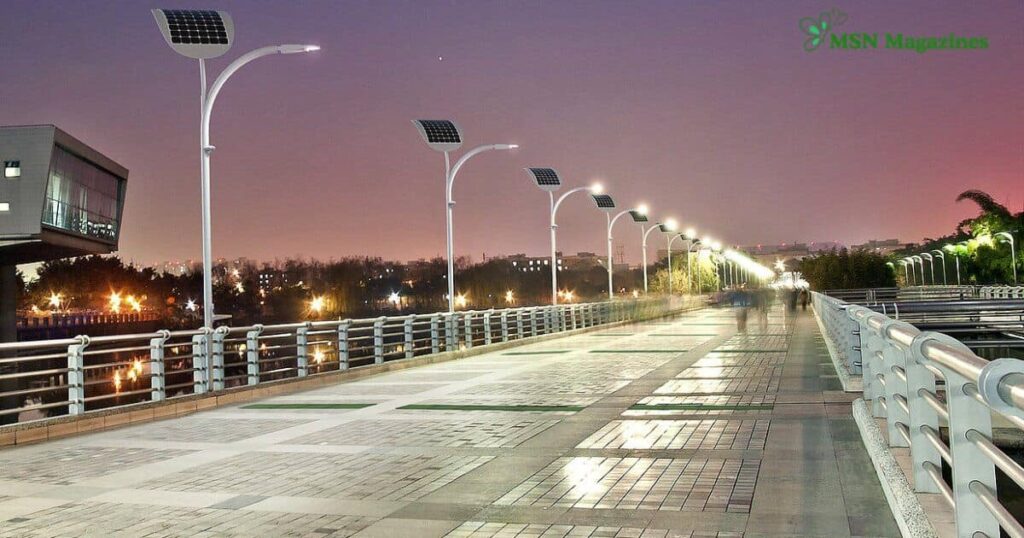
Lighting is no longer just about illumination, it’s about intelligence. Modern self cleaning street light palm oil systems integrate seamlessly with smart city networks, creating a connected infrastructure that responds in real time.
Imagine street lights that:
- Dim automatically when no one is around
- Brighten when motion is detected
- Send alerts when maintenance is required
- Track energy consumption remotely
That’s the power of IoT (Internet of Things) integration.
Municipalities can monitor entire lighting networks from a centralized dashboard. If a light malfunctions, technicians receive instant notifications. No more manual inspections across miles of roads.
Applications in Urban and Rural Areas
One of the strongest advantages of self cleaning street light palm oil systems is their versatility. They aren’t limited to high-tech smart cities, they work just as effectively in rural communities.
Urban Areas
In busy cities, pollution and dust accumulate quickly. Self-cleaning coatings prevent grime from reducing brightness, ensuring consistent visibility for drivers and pedestrians. Smart sensors also help manage energy use in crowded areas.
Highways and Expressways
On highways, maintenance can be risky and disruptive. Reducing cleaning frequency enhances safety and minimizes traffic interruptions.
Industrial Zones
Factories and warehouses generate airborne particles. Self-cleaning street lights maintain efficiency even in dusty environments.
Remote Villages
In off-grid locations, solar-powered self-cleaning street lights are a game changer. With limited access to maintenance crews, having a low-maintenance system ensures reliable lighting year-round.
The adaptability of these systems makes them ideal for diverse climates, rainy regions benefit from natural washing, while dry areas still gain from dust-repellent coatings.
Whether in a bustling metropolitan area or a quiet countryside road, the self cleaning street light palm oil system proves its value. It’s not just a niche product, it’s a scalable solution for modern infrastructure worldwide.
Challenges in Implementation
Every groundbreaking innovation comes with its own set of challenges, and the self cleaning street light palm oil system is no exception. While the benefits are impressive, it’s important to look at the obstacles that cities, businesses, and manufacturers may face during adoption.
The first challenge is the initial investment cost. Advanced coatings, smart sensors, and sustainable palm oil-based materials often increase upfront expenses compared to traditional street lights. For municipalities operating under strict budgets, this can create hesitation. Decision-makers sometimes focus on short-term spending rather than long-term savings, even though the return on investment becomes evident over time.
Another concern is awareness and education. Not all city planners or contractors fully understand how self-cleaning technology works. Without proper knowledge, it’s easy to underestimate its value. This is especially true in developing regions where traditional lighting systems are still widely used.
Comparison with Traditional Street Lighting Systems
To truly understand the value of a self cleaning street light palm oil system, it helps to compare it side by side with traditional lighting solutions. The differences are not just technical, they’re transformational.
Traditional street lights, such as high-pressure sodium lamps, have been around for decades. They provide illumination, yes, but they come with limitations. These systems consume more electricity, generate excess heat, and require frequent maintenance.
Let’s break down the comparison in practical terms.
Maintenance Frequency
Traditional lights require manual cleaning several times a year. Dust and pollution reduce brightness, forcing maintenance teams to intervene regularly. Self-cleaning systems drastically reduce this need.
Energy Efficiency
Older systems consume significantly more energy. LED-based self-cleaning lights cut energy use by up to 70%. That’s a major difference when you multiply it across thousands of units.
Durability
Conventional bulbs typically last 3–5 years. Modern LED self-cleaning systems can last 8–12 years or more.
Environmental Impact
Petroleum-based coatings and higher electricity usage increase carbon emissions in traditional systems. Palm oil-based materials, when sustainably sourced, offer a greener alternative.
Here’s a simplified snapshot:
| Feature | Traditional Lighting | Self Cleaning Street Light Palm Oil |
| Energy Use | High | Low |
| Cleaning Requirement | Frequent | Minimal |
| Lifespan | Shorter | Longer |
| Environmental Impact | Higher | Lower |
It’s like comparing an old flip phone to a modern smartphone. Both serve a purpose, but one clearly aligns better with today’s needs.
Future Trends in Sustainable Street Lighting
If you think self cleaning street light palm oil systems are impressive now, just wait. The future holds even more exciting developments.
One emerging trend is AI-powered lighting management. Artificial intelligence can analyze traffic patterns, weather conditions and pedestrian activity to optimize brightness levels in real time. This takes energy efficiency to another level.
Another innovation is the development of advanced bio-based materials. Scientists are continuously improving palm oil derivatives to enhance durability, UV resistance and self-healing properties. Imagine a coating that not only repels dirt but also repairs tiny scratches automatically.
We’re also seeing increased integration with smart city ecosystems. Street lights may soon serve as charging stations for electric vehicles, Wi-Fi hotspots or emergency communication hubs. The light pole becomes a multifunctional infrastructure.
Installation and Maintenance Best Practices
Even the most advanced system performs best when installed correctly. Proper installation ensures that the self cleaning street light palm oil system delivers maximum efficiency and longevity.
Strategic Placement
Lights should be positioned to receive optimal sunlight if solar-powered. Avoid shading from trees or buildings. Good placement improves charging efficiency and enhances the natural cleaning effect from rainfall.
Angle Optimization
Installing solar panels at the correct tilt angle ensures better water runoff during rain, strengthening the hydrophobic cleaning mechanism.
Routine Inspections
While self-cleaning technology reduces maintenance, occasional inspections are still important. Checking electrical connections, sensors, and structural components ensures consistent performance.
Weather Considerations
In areas with limited rainfall, periodic light cleaning might still be necessary, though far less frequently than traditional systems.
Certified Materials
Always ensure that palm oil-based coatings are sourced from certified sustainable suppliers. This maintains environmental integrity and public trust.
Think of it like owning a high-performance car. It doesn’t need constant servicing, but regular checkups keep it running smoothly.
With proper installation and minimal oversight, these lighting systems can operate efficiently for years, saving time, money and resources.
Why Should Businesses and Governments Should Invest Now?
Timing matters. Waiting too long to adopt innovative solutions can mean missing out on financial and environmental benefits. For governments and businesses, investing in self cleaning street light palm oil systems today makes strategic sense.
First, energy prices are rising globally. Reducing electricity consumption through LED and smart dimming technology translates into significant cost savings.
Second, sustainability goals are no longer optional. Many countries have carbon reduction targets, and infrastructure upgrades play a key role in achieving them. Installing eco-friendly lighting systems demonstrates commitment to environmental responsibility.
Third, public safety improves with consistent, reliable illumination. Cleaner lights maintain brightness, which enhances visibility and reduces accident risks.
There’s also the reputational advantage. Communities and investors increasingly favor organizations that prioritize green initiatives. Adopting innovative lighting solutions signals forward-thinking leadership.
FAQ’s
Is palm oil environmentally safe to use in street lights?
When sourced from certified sustainable suppliers, palm oil derivatives are renewable and environmentally responsible alternatives to petroleum-based materials.
Do self-cleaning street lights require any maintenance?
Yes, but significantly less than traditional systems. Occasional inspections are recommended, but frequent cleaning is typically unnecessary.
Are these systems suitable for rural areas?
Absolutely. Solar-powered self-cleaning street lights are especially beneficial in remote locations with limited maintenance access.
Is the initial investment worth it?
Over time, reduced energy consumption and maintenance costs generally offset the higher upfront installation expense.
Conclusion
The self cleaning street light palm oil system represents a powerful blend of innovation, sustainability, and practicality. By combining smart LED technology, hydrophobic and photocatalytic coatings, and renewable palm oil-based materials, this solution addresses some of the biggest challenges in urban infrastructure.
It reduces maintenance costs. It lowers energy consumption. It minimizes environmental impact. And it supports the global transition toward greener cities.
While challenges such as initial investment and awareness remain, the long-term benefits are undeniable. From bustling city streets to remote rural roads, self-cleaning lighting systems offer reliability, efficiency, and sustainability in one integrated package.