

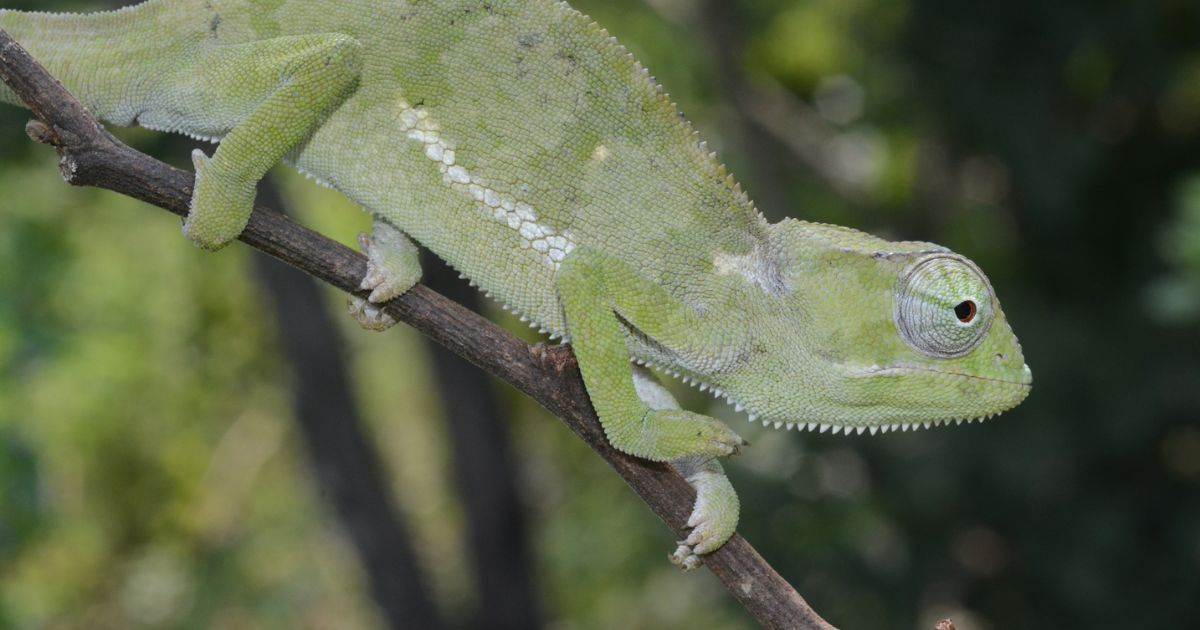
Chameleons capture our imagination like few other animals. You see one sitting still on a branch, and suddenly its skin shifts shades right before your eyes. These unique lizards, known as chameleónovité in Slovak, belong to the family Chamaeleonidae. They remind us how clever and adaptable nature can be.
People often think of them as simple color-changers from cartoons or pet shops. But the real story goes much deeper. They have independently moving eyes, lightning-fast tongues, and special feet built for tree life. Understanding chameleónovité helps us appreciate the delicate balance in our ecosystems and why protecting them matters.
What Exactly Are Chameleónovité?
Chameleónovité is the scientific name for the chameleon family. It includes over 200 described species of Old World lizards. Most live in Africa and Madagascar, with a few in parts of Europe, the Middle East and Asia.
These reptiles stand out from other lizards. They have sideways-flattened bodies, prehensile tails that work like an extra hand, and zygodactyl feet, two toes fused together like pincers for gripping branches. Many sport head crests, horns, or casques that make each species look distinct.
Sizes vary wildly. The tiny Brookesia nana measures just over 2 cm, while larger ones like Parson’s chameleon can reach nearly 70 cm. Most popular pet species fall in the middle, around 30-60 cm.
Where Do Chameleons Live?
Most chameleónovité thrive in warm, tropical or subtropical areas. Madagascar hosts the highest diversity, about half the world’s species live only there. Mainland Africa comes next, with others scattered in southern Europe, the Middle East, India, and Sri Lanka.
Habitats range from dense rainforests and mountain woodlands to drier savannas, shrublands, and even semi-deserts. Arboreal (tree-dwelling) species dominate, but some pygmy types stay closer to the ground in leaf litter or low bushes.
They pick spots with good climbing structures and plenty of insects. Temperature and humidity matter a lot. Too cold or dry, and they struggle to regulate their bodies or hunt effectively.
Remarkable Physical Adaptations
Chameleons move in a slow, rocking way that mimics swaying leaves or branches. This gait helps them stay hidden from both prey and predators.
Their eyes sit in turret-like sockets and move independently. One eye can watch for danger while the other scans for food. When targeting prey, both eyes lock forward for sharp depth perception, almost like built-in binoculars.
The tongue is a standout feature. It can shoot out faster than the blink of an eye, often longer than the chameleon’s body. A sticky tip and powerful muscles make it a deadly hunting tool for insects from a distance.
Feet and tail complete the climbing package. The pincer toes grip tightly, and the tail wraps around branches for balance. These traits let them navigate thin twigs high up in the canopy with confidence.
The Truth About Color Changing
Many believe chameleons change color purely for camouflage. That’s only part of the story. They mainly use it for communication, mood, temperature control, and signaling to mates or rivals.
Special skin cells called chromatophores and iridophores with guanine crystals handle the shifts. By adjusting crystal spacing and pigment movement, they create greens, browns, blues, reds, yellows, and more. Darker colors help absorb heat when cold; lighter ones reflect it when warm.
Bright displays often mean “I’m dominant” or “ready to mate.” Dark, muted tones can signal stress or submission. Not every species changes dramatically, some stick mostly to browns and greens.
Common Myth: They match any background instantly like a mood ring. In reality, changes happen based on internal and social cues more than exact surroundings, though camouflage still plays a role.
Hunting and Daily Life
Chameleónovité are patient ambush predators. They sit still for long periods, eyes scanning, then strike with that incredible tongue. Insects like crickets, flies, and grasshoppers make up most of their diet. Larger species occasionally eat small lizards, birds, or rodents.
They are mostly solitary and diurnal (active by day). Territorial males may display colors or even tussle if another gets too close. Females tend to be less flashy.
In the wild, they live several years depending on species and conditions. Predators include birds, snakes, and mammals, so their camouflage and stillness are key defenses.
Popular Species People Love
- Veiled Chameleon (Chamaeleo calyptratus): Hardy, common in pet trade. Comes from Yemen and Saudi Arabia. Males have tall head casques.
- Panther Chameleon (Furcifer pardalis): Stunning colors from Madagascar. Males show vibrant reds, blues, and greens.
- Jackson’s Chameleon (Trioceros jacksonii): Famous for three horns. Lives in East Africa and gives birth to live young instead of laying eggs.
- Pygmy species: Tiny ground-dwellers that fit on a fingertip.
Each has slightly different needs, which is why research matters before considering one as a pet.
Keeping Chameleons as Pets: What You Need to Know
Chameleons can make rewarding pets for experienced keepers, but they demand specific care. Beginners often struggle because these lizards stress easily and need precise conditions.
Enclosure: Tall, screened cages for ventilation and climbing (at least 2x2x4 feet for adults). Live plants, branches, and hiding spots help them feel secure. Avoid glass tanks—they trap heat and humidity poorly.
Temperature and Humidity: Daytime basking spot around 85-95°F (29-35°C), cooler areas 70-80°F. Night drops are natural. Humidity 50-70% or higher for tropical species—misting several times daily plus drip systems for drinking.
Lighting: Strong UVB lighting is essential for vitamin D3 and calcium absorption. Without it, they develop metabolic bone disease.
Diet: Live insects gut-loaded with nutrients and dusted with calcium/vitamins. Variety prevents deficiencies. They rarely drink from bowls—provide dripping water or misted leaves.
Handling: Minimal. They are not cuddly pets and stress from too much contact. Watch for signs like dark colors, closed eyes, or not eating.
Start with a captive-bred veiled chameleon if you’re new to reptiles. Always buy from reputable breeders, not wild-caught.
Reproduction and Life Cycle
Most chameleónovité lay eggs in soil or leaf litter. Clutch sizes range from a few to 70+. Incubation takes weeks to months depending on temperature.
Jackson’s and some others give live birth. Babies are independent right away no parental care. Young chameleons often look different from adults and change as they mature.
Conservation Challenges
Habitat loss from deforestation, agriculture, and logging hits them hard, especially in Madagascar. The pet trade adds pressure, many wild animals are taken illegally.
Climate change disrupts temperature and rainfall patterns they rely on. About half the species face threats or near-threatened status. Supporting protected areas and sustainable breeding helps.
Chameleons act as ecosystem indicators. Their decline signals bigger problems for forests and insect control.
Actionable Tips for Learning More and Helping
Visit ethical zoos or reptile shows to observe them. Support organizations working on Madagascar conservation. If keeping pets, join chameleon-specific forums for best practices.
Plant native vegetation or avoid pesticides in your garden if you live in their range—it supports local insects and indirectly helps wildlife.
Conclusion
Chameleónovité show us nature’s ingenuity in every detail—from their turret eyes and projectile tongues to their subtle color language. They are more than colorful curiosities. They are vital parts of their ecosystems and fascinating examples of evolution.
By learning their real needs and challenges, we can enjoy them responsibly and work to keep them thriving in the wild. Next time you see one, remember the quiet hunter behind the colors. These slow-moving masters have a lot to teach us about patience, adaptation, and respect for the natural world.
FAQ’s
Do all chameleons change color the same way?
No. Some shift dramatically between bright colors, while others mainly adjust brightness in browns and greens. It depends on the species and situation.
Are chameleons good beginner pets?
They suit experienced keepers better. They need specialized setups, live food, and minimal stress. Research your species thoroughly first.
How fast is a chameleon’s tongue?
Extremely fast, often under 0.1 seconds to extend and retract. It accelerates with powerful muscles and can exceed body length.
What threatens wild chameleons most?
Habitat destruction, especially deforestation in Madagascar, plus illegal collection for the pet trade and climate impacts.
Can chameleons see in two directions at once?
Yes. Their eyes move independently for a nearly 360-degree view, then focus together for precise hunting.
Read More: Ronenia Meaning, Origins, Uses, and Global Impact in 2026