
Healthcare is no longer confined to hospital walls. The future of healthcare technology is rapidly transforming how patients receive care and at-home healthcare is leading this revolution.
From AI-powered diagnostics to wearable monitoring devices, modern innovations are empowering patients, reducing hospital visits, and improving overall health outcomes.
In today’s fast-evolving digital landscape, at-home care technology is not just a convenience, it’s becoming a necessity. With aging populations, rising healthcare costs and increasing demand for personalized treatment, the healthcare industry is leveraging advanced technology to deliver smarter, safer and more efficient care directly to patients’ homes.
Let’s explore how future healthcare technology is elevating at-home care and reshaping the global medical ecosystem.
The Rise of Smart At-Home Healthcare Systems
The concept of receiving medical treatment at home has evolved far beyond traditional home visits by nurses. Today’s smart healthcare systems integrate digital tools, cloud computing, artificial intelligence, and connected devices to provide real-time medical support.
Smart home healthcare systems allow patients to:
- Monitor chronic conditions
- Share real-time health data with doctors
- Receive virtual consultations
- Access emergency alerts instantly
These systems reduce the need for hospital admissions and enable proactive health management. Patients with diabetes, heart disease, or respiratory conditions can now track vital signs from the comfort of their homes while healthcare providers analyze the data remotely.
Wearable Technology Transforming Patient Monitoring
Wearable devices have become one of the most powerful tools in future healthcare technology. Smartwatches, fitness trackers and medical-grade wearable monitors now track heart rate, oxygen levels, sleep patterns and even detect irregular heart rhythms.
These devices provide continuous health monitoring, which is particularly valuable for:
- Elderly patients
- Post-surgery recovery
- Chronic illness management
- Preventive healthcare
Instead of waiting for symptoms to worsen, healthcare providers receive early warnings through real-time alerts. This proactive approach significantly reduces emergency hospital visits and complications.
Moreover, wearables encourage patient engagement. When individuals see their health data daily, they are more motivated to maintain healthy lifestyles.
Artificial Intelligence Enhancing At-Home Diagnostics
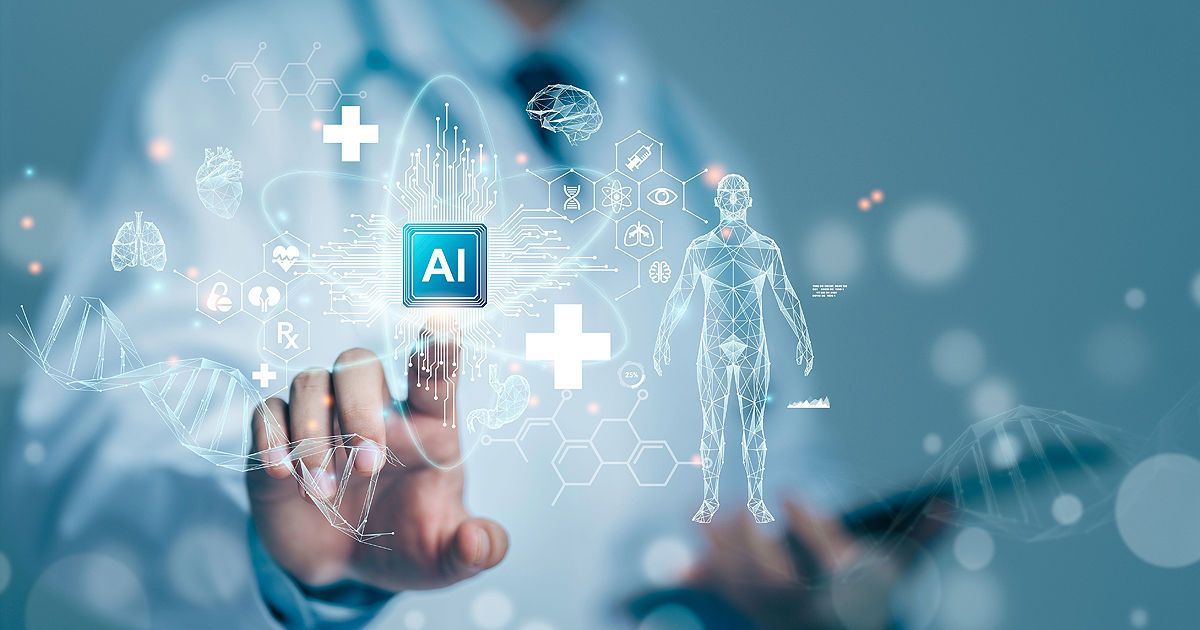
Artificial Intelligence (AI) is redefining diagnostics in at-home healthcare. AI-powered tools can now analyze symptoms, interpret medical images, and even predict potential health risks based on patient data.
For example:
- AI chatbots guide patients through symptom assessments.
- Machine learning algorithms detect anomalies in heart rhythms.
- Smart diagnostic tools evaluate respiratory patterns.
AI reduces human error and enhances decision-making accuracy. Patients can perform preliminary health assessments at home, and doctors can use AI-generated insights to make informed treatment decisions.
The integration of AI in home healthcare ensures faster diagnosis, personalized treatment plans, and improved efficiency across the healthcare system.
Telemedicine Expanding Access to Healthcare
Telemedicine has become one of the most significant advancements in modern healthcare technology. Virtual consultations allow patients to connect with healthcare professionals through video calls, mobile apps, and online platforms.
This technology offers several benefits:
- Access to specialists in remote areas
- Reduced travel time and costs
- Faster medical consultations
- Improved continuity of care
For elderly individuals and patients with mobility challenges, telemedicine eliminates physical barriers to quality healthcare. It also reduces hospital overcrowding and lowers healthcare expenses.
Internet of Medical Things (IoMT) Driving Connected Care
The Internet of Medical Things (IoMT) refers to the network of connected medical devices that collect and share patient data. This ecosystem includes:
- Smart blood pressure monitors
- Connected glucose meters
- Remote ECG monitors
- Digital thermometers
IoMT enables seamless communication between patients, caregivers, and healthcare providers. Data collected from devices is stored in secure cloud platforms, allowing physicians to track health trends and intervene when necessary.
This interconnected approach enhances coordination and reduces miscommunication in treatment plans. It also empowers caregivers with better insights into patient health.
Remote Patient Monitoring (RPM) Revolutionizing Chronic Care
Remote Patient Monitoring is a game-changer in managing chronic diseases. RPM systems collect health data outside traditional clinical settings and transmit it to healthcare providers for review.
Conditions commonly managed through RPM include:
- Hypertension
- Diabetes
- COPD
- Heart disease
By tracking vital signs continuously, healthcare providers can detect warning signs early. This reduces hospital readmissions and improves patient satisfaction.
RPM also supports value-based healthcare models, where providers focus on outcomes rather than volume of services. It ensures patients receive ongoing care without frequent in-person visits.
Robotics and Smart Assistants Supporting Independent Living
Robotics and AI-driven smart assistants are enhancing independence for elderly and disabled individuals. Voice-controlled devices and robotic companions help with medication reminders, daily tasks, and emergency alerts.
Some advanced home care robots can:
- Assist with mobility
- Monitor falls
- Provide companionship
- Remind patients about medications
These technologies reduce caregiver burden and promote aging in place. As robotics becomes more affordable, its integration into at-home healthcare will continue to expand.
Personalized Medicine Through Data Analytics
Future healthcare technology is shifting toward personalized medicine. By analyzing genetic information, lifestyle patterns, and health data, providers can tailor treatments specifically to each patient.
At-home diagnostic kits now allow patients to:
- Test DNA for genetic conditions
- Monitor hormone levels
- Conduct at-home lab tests
Big data analytics identifies patterns that traditional methods might miss. Personalized treatment reduces side effects and increases treatment effectiveness.
This individualized approach enhances patient satisfaction and improves long-term health outcomes.
RELATED POST: Self Cleaning Streetlight Using Oil Palm Waste
Blockchain Securing Health Data
With increasing digitalization comes the challenge of data security. Blockchain technology is emerging as a solution for protecting sensitive health information.
Blockchain ensures:
- Secure data storage
- Tamper-proof medical records
- Transparent data sharing
- Patient-controlled access
As at-home healthcare systems rely heavily on digital data, robust cybersecurity measures become critical. Blockchain enhances trust between patients and providers.
Virtual Reality (VR) and Augmented Reality (AR) in Home Therapy

Virtual Reality and Augmented Reality are transforming rehabilitation and mental health therapy at home. Patients recovering from injuries or surgeries can participate in guided VR therapy sessions.
Applications include:
- Physical therapy exercises
- Pain management programs
- Anxiety and PTSD treatment
- Cognitive rehabilitation
VR makes therapy engaging and interactive, increasing patient compliance. It also reduces the need for frequent in-person visits.
5G Technology Boosting Real-Time Care
The rollout of 5G networks is accelerating the future of at-home healthcare. Faster internet speeds allow seamless video consultations, instant data transmission, and real-time monitoring.
5G enables:
- High-quality telehealth sessions
- Instant alerts from monitoring devices
- Remote robotic-assisted procedures
Improved connectivity ensures uninterrupted healthcare services, even in rural areas.
Cost Efficiency and Reduced Hospital Burden
At-home healthcare technology significantly reduces medical expenses. Hospital stays, emergency visits, and long-term facility care are among the most costly healthcare services.
By shifting care to home settings:
- Hospital overcrowding decreases
- Operational costs drop
- Insurance claims reduce
- Patients save on travel and accommodation
This cost-effective model benefits both healthcare systems and individuals.
Improved Patient Engagement and Empowerment
Modern healthcare technology places patients at the center of care. With access to health data, educational resources and real-time communication, patients become active participants in their treatment journey.
Empowered patients are more likely to:
- Follow medication schedules
- Adopt healthy habits
- Monitor symptoms regularly
- Communicate effectively with doctors
This collaborative approach enhances overall healthcare quality.
Emerging Innovations Shaping the Next Decade of At-Home Healthcare
As we look beyond today’s advancements, the next decade promises even more groundbreaking innovations in at-home healthcare technology. Researchers and tech companies are investing heavily in predictive health systems, smart biosensors, and advanced biotechnology designed to make home-based care more intelligent and intuitive than ever before.
One of the most exciting developments is the evolution of smart biosensors. These ultra-small devices can be embedded in wearable patches or even implanted under the skin to continuously monitor vital biomarkers such as glucose levels, blood pressure, and hydration. Unlike traditional monitoring tools, these sensors provide minute-by-minute updates and send alerts before a health crisis occurs.
Another promising innovation is nanotechnology. Scientists are working on microscopic devices capable of delivering medication directly to affected areas inside the body. Imagine a future where treatment for chronic illnesses like cancer or heart disease can be managed with precision-targeted therapy, all while the patient remains at home.
Challenges and Ethical Considerations in Future Home Healthcare
While the future of healthcare technology in at-home care is promising, it is not without challenges. As digital health solutions expand, concerns around data privacy, accessibility, and ethical use of artificial intelligence continue to grow.
Data security remains one of the most pressing issues. At-home healthcare systems collect sensitive medical information, and any data breach could have serious consequences. Although technologies like blockchain and advanced encryption are improving security, healthcare providers must remain vigilant against cyber threats.
Accessibility is another critical challenge. Not everyone has reliable internet access or the financial resources to invest in smart healthcare devices. Rural communities and low-income populations may struggle to benefit from these technological advancements. Bridging this digital divide will be essential to ensure equitable healthcare access.
The Economic Impact of Technology-Driven At-Home Care
The economic implications of future healthcare technology are profound. Governments, insurance providers, and healthcare organizations are increasingly recognizing the cost-saving potential of shifting care from hospitals to homes.
Hospital stays are expensive due to staffing, infrastructure, and operational costs. By reducing hospital admissions through remote patient monitoring and early intervention systems, healthcare systems can allocate resources more efficiently. This shift helps control rising medical expenses while maintaining high-quality care.
Insurance companies are also adapting their models to support at-home healthcare solutions. Many insurers now cover telemedicine appointments, wearable devices, and remote monitoring programs. These initiatives not only lower overall claims but also encourage preventive care, which reduces long-term expenses.
For patients, the financial benefits are significant. At-home care eliminates travel costs, reduces time off work, and minimizes unexpected medical bills. Families caring for elderly relatives can rely on smart monitoring systems rather than full-time institutional care, which
How Patients Can Prepare for the Future of At-Home Healthcare
As healthcare technology continues to evolve, patients must adapt and prepare to make the most of these advancements. Being proactive today can ensure smoother transitions into tomorrow’s digital health ecosystem.
First, digital literacy is becoming increasingly important. Patients should familiarize themselves with telehealth platforms, mobile health applications, and wearable devices. Understanding how to navigate these tools empowers individuals to take control of their health.
Second, maintaining secure digital practices is crucial. Using strong passwords, enabling two-factor authentication, and keeping devices updated can significantly reduce cybersecurity risks.
Third, open communication with healthcare providers remains essential. Patients should discuss available remote monitoring options, virtual consultation services, and personalized treatment plans with their doctors. Many providers already offer technology-driven care solutions that patients may not be aware of.
The Future Outlook of At-Home Healthcare Technology
The future of healthcare technology in at-home care is incredibly promising. Innovations in artificial intelligence, nanotechnology, predictive analytics, and biotechnology will further expand capabilities.
Emerging developments may include:
- AI-driven virtual doctors
- Smart implants for continuous monitoring
- Advanced home diagnostic labs
- Predictive health forecasting systems
As technology evolves, healthcare will become more preventive rather than reactive. Early detection and personalized interventions will define the next generation of medical care.
FAQ’s
How does telemedicine improve patient care?
Telemedicine enables virtual consultations, making healthcare more accessible, convenient, and time-efficient.
Are wearable health devices accurate?
Most modern wearable devices provide highly accurate real-time health data, especially for heart rate and activity monitoring.
Is at-home healthcare technology secure?
Advanced encryption, cloud security, and blockchain solutions help protect sensitive medical data.
Can at-home care reduce hospital visits?
Yes, remote monitoring and early detection systems significantly reduce unnecessary hospital admissions.
Conclusion
Future healthcare technology is fundamentally elevating at-home care by making it smarter, more accessible, and highly personalized. From AI diagnostics and wearable devices to telemedicine and IoMT systems, modern innovations are reshaping how healthcare is delivered.
The shift toward digital health solutions empowers patients, reduces costs, improves efficiency, and enhances medical outcomes. As technological advancements continue, at-home healthcare will become a cornerstone of global medical systems.
The healthcare industry is entering a new era, one where homes transform into intelligent care hubs and technology becomes the bridge between patients and providers. The future is not just about treating illness; it’s about creating a connected, preventive, and patient-centered healthcare ecosystem.