


In today’s digital landscape, every business understands the importance of having a well-structured website.
Career pages, in particular, play a critical role in attracting talent and enhancing brand reputation. But what happens when you encounter the frustrating error message: “keine karriere-subdomain gefunden”?
If you’ve seen this phrase, you’re not alone. Translated from German, it means “no career subdomain found.” This issue can impact user experience, recruitment efforts, and even search engine rankings. In this comprehensive guide, we’ll explore what “keine karriere-subdomain gefunden” means, why it happens, how it affects your website and how to fix it effectively.
What Does “Keine Karriere-Subdomain Gefunden” Mean?
The phrase “keine karriere-subdomain gefunden” directly translates to “no career subdomain found.” It typically appears when a website attempts to access a dedicated careers subdomain, such as careers.company.com, but the system fails to locate or load it.
This issue is most common in:
- Corporate websites using separate career portals
- Websites integrated with third-party recruitment platforms
- Companies that recently migrated their domain or hosting
- Businesses that removed or renamed their careers section
In simple terms, the website expects a specific subdomain to exist, but it either hasn’t been created, has been misconfigured, or was removed without proper redirection.
For HR teams and web administrators, this error can lead to confusion and missed opportunities. For job seekers, it creates frustration and damages trust.
Why Do Companies Use a Career Subdomain?
Before understanding the problem, it helps to understand why businesses use a career subdomain in the first place.
A career subdomain (like jobs.company.com or careers.company.com) offers several advantages:
1. Better Organization
It separates recruitment content from the main website, making navigation cleaner.
2. Improved Performance
Career portals often use specialized platforms that require different hosting environments.
3. SEO Benefits
A dedicated subdomain can be optimized specifically for recruitment keywords.
4. Integration with HR Software
Many applicant tracking systems (ATS) operate through subdomains for technical flexibility.
However, if this subdomain is not properly configured, users may encounter the “keine karriere-subdomain gefunden” error.
Common Causes of “Keine Karriere-Subdomain Gefunden”
Understanding the root cause is essential for fixing the issue effectively. Below are the most common reasons:
1. DNS Misconfiguration
Domain Name System (DNS) settings determine how web traffic is routed. If the career subdomain is not properly configured in DNS records, the server cannot locate it.
This can happen when:
- A subdomain was created but not connected to a server
- DNS records were deleted accidentally
- Hosting providers were changed without updating DNS
2. Removed or Renamed Subdomain
Sometimes companies redesign their websites and eliminate the subdomain without setting up proper redirects. When visitors or search engines try to access the old URL, they encounter the error.
3. Incorrect Hosting Setup
If the subdomain exists in DNS but is not correctly linked to a hosting environment, the server will fail to load the page.
4. Expired Third-Party Integration
Many businesses rely on external recruitment platforms. If the subscription expires or integration breaks, the career subdomain may stop functioning.
5. SSL Certificate Issues
If the SSL certificate does not cover the career subdomain, browsers may block access, leading to errors or warnings.
How This Error Impacts SEO?
You might wonder: Is “keine karriere-subdomain gefunden” just a technical inconvenience? Not at all.
This issue can significantly impact your SEO performance.
1. Broken Links and Crawl Errors
Search engines continuously crawl your site. If they encounter a missing subdomain, they register crawl errors. Over time, this can reduce trust in your site’s structure.
2. Lost Organic Traffic
If your career subdomain ranked for job-related keywords, losing it means losing organic search visibility.
3. Negative User Experience
High bounce rates and short session durations signal to search engines that something is wrong. A broken careers page can drive potential candidates away instantly.
4. Brand Reputation Damage
Recruitment is part of brand marketing. A broken career page suggests poor maintenance and reduces credibility.
In short, ignoring this error can cost both traffic and talent.
How to Fix “Keine Karriere-Subdomain Gefunden” Step-by-Step
Let’s move to the solution. Fixing this issue requires a systematic approach.
Step 1: Check DNS Records
Log into your domain management system and verify:
- A record or CNAME for the career subdomain exists
- It points to the correct IP address
- No records are outdated
If missing, create the correct DNS entry.
Step 2: Verify Hosting Configuration
Ensure the subdomain is connected to a hosting directory or external recruitment platform. Without proper hosting, DNS alone won’t solve the problem.
Step 3: Confirm SSL Certificate Coverage
Make sure your SSL certificate includes the career subdomain. If not, issue a wildcard or multi-domain certificate.
Step 4: Implement 301 Redirects (If Removed)
If the career subdomain was intentionally removed, set up a 301 redirect to:
- A new career page
- The main recruitment section
- An updated hiring platform
This preserves SEO value.
Step 5: Test Across Devices
After fixing, test the subdomain on:
- Desktop browsers
- Mobile devices
- Different internet connections
This ensures consistent accessibility.
RELATED POST: University of Metaphysics vs University of Metaphysical Sciences
Preventing the Error in the Future
Prevention is always better than cure. Here’s how to avoid seeing “keine karriere-subdomain gefunden” again:
- Maintain proper documentation of DNS settings
- Monitor uptime with automated tools
- Keep SSL certificates updated
- Test subdomains before and after website migrations
- Use professional hosting support
Regular audits can prevent minor technical mistakes from becoming major issues.
Should You Use a Subdomain or Subdirectory Instead?
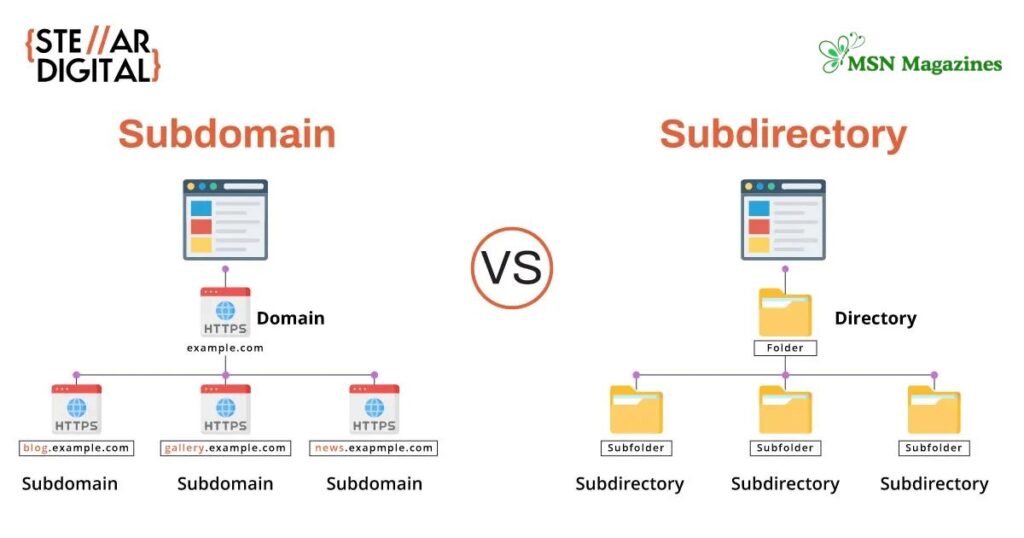
This is a common debate in SEO circles.
Subdomain (careers.company.com)
- More flexibility
- Better for large organizations
- Easier third-party integration
Subdirectory (company.com/careers)
- Stronger domain authority sharing
- Simpler management
- Fewer DNS complications
If your business frequently encounters “keine karriere-subdomain gefunden,” switching to a subdirectory might simplify management.
However, both approaches can work well when configured correctly.
The Role of IT and HR Collaboration
This issue often highlights a bigger organizational problem: lack of communication between IT and HR departments.
HR manages recruitment content.
IT manages technical infrastructure.
When changes occur, like switching recruitment platforms, both teams must coordinate. Otherwise, the result can be a missing career subdomain.
Clear processes and shared responsibility ensure smooth website operations.
Why Website Monitoring Tools Matter?
Modern tools can alert you immediately when a subdomain becomes unavailable.
Recommended features include:
- Real-time uptime monitoring
- SSL certificate expiration alerts
- Broken link detection
- Crawl error notifications
Investing in monitoring tools saves time, protects SEO rankings, and prevents embarrassing user experiences.
Advanced Troubleshooting Techniques for Persistent Subdomain Errors
Sometimes, the basic fixes simply aren’t enough. You check your DNS records, verify hosting, renew your SSL certificate and yet, the dreaded “keine karriere-subdomain gefunden” error still appears. That’s when it’s time to dig deeper.
First, inspect your server logs. Server logs act like a diary of everything happening behind the scenes. They can reveal whether the subdomain request is reaching the server at all or being blocked before it even arrives. Look for HTTP status codes like 404 (Not Found), 403 (Forbidden), or 500 (Internal Server Error). Each tells a different story.
Next, clear your DNS cache. Sometimes your local system holds onto outdated DNS information. Flushing your DNS cache ensures you’re viewing the most recent configuration.
You should also:
- Test the subdomain using online DNS lookup tools
- Use “ping” and “nslookup” commands
- Check firewall configurations
- Confirm there’s no accidental IP blocking
Another overlooked issue? CDN (Content Delivery Network) misconfiguration. If you’re using services like Cloudflare or Akamai, make sure your career subdomain is correctly configured within the CDN dashboard.
Think of troubleshooting like peeling an onion. Each layer reveals something new. Stay methodical, and the root cause will eventually surface.
How Website Migrations Trigger “Keine Karriere-Subdomain Gefunden” Errors?
Website migrations are notorious for causing subdomain errors. Whether you’re switching hosting providers, redesigning your site, or moving to a new CMS, migrations create opportunities for misconfigurations.
During migration, teams often focus on:
- Transferring main domain files
- Updating database connections
- Preserving primary SEO pages
But subdomains? They sometimes get overlooked.
Imagine moving houses and carefully packing everything—except forgetting to forward your mail. That’s exactly what happens to subdomains during careless migrations.
Common migration mistakes include:
- Not recreating subdomains in the new hosting account
- Forgetting to update DNS nameservers
- Failing to reinstall SSL certificates
- Neglecting third-party recruitment integrations
To avoid this, create a migration checklist that explicitly includes subdomains. Document all existing DNS records before making changes. After migration, run a full website audit to verify every subdomain functions properly.
Planning prevents panic. Especially in technical transitions.
SEO Recovery After Fixing the Career Subdomain
Once you’ve restored your career subdomain, your work isn’t done. You must repair any SEO damage that occurred during downtime.
Start by checking Google Search Console for crawl errors. If the career subdomain was down for an extended period, Google may have deindexed important pages.
Here’s how to recover:
- Submit an updated sitemap
- Request indexing for restored pages
- Fix all broken internal links
- Monitor performance for ranking fluctuations
- Use 301 redirects where necessary
It may take time for search engines to regain confidence. But consistency matters.
You should also:
- Rebuild backlinks if external sites linked to broken pages
- Share job listings again on social media
- Ensure structured data (JobPosting schema) is active
SEO recovery isn’t instant, it’s like rebuilding muscle after an injury. But with steady optimization, rankings can return stronger than before.
User Experience Considerations for Career Subdomains
Beyond technical aspects and SEO metrics, think about the human side.
When a candidate clicks on “Careers” and sees an error, what happens?
They leave.
That’s it.
In a competitive hiring market, you might only get one chance to impress a skilled applicant. A broken subdomain sends a subtle message: disorganization.
To improve user experience:
- Ensure fast loading times
- Make navigation intuitive
- Provide clear job descriptions
- Optimize for mobile devices
- Simplify the application process
If you rely on a subdomain, it must feel like a seamless extension of your main website. Consistent branding, matching fonts, and similar design elements help build trust.
Your career page isn’t just technical infrastructure. It’s your digital handshake.
The Importance of Structured Data for Career Pages
Even if your career subdomain works perfectly, you could still miss opportunities without structured data.
Search engines use structured data to understand job listings. By implementing JobPosting schema markup, your listings can appear in Google Jobs results, increasing visibility.
Structured data helps with:
- Job title clarity
- Location targeting
- Salary information
- Application deadlines
- Employment type
Without schema, your job listings may remain invisible in enhanced search results.
If your subdomain experienced downtime, double-check that structured data is still functioning properly. Testing tools like Google’s Rich Results Test can confirm everything is set up correctly.
Think of structured data as a translator. It tells search engines exactly what your content means.
When to Consider Professional IT Support?
Sometimes, despite your best efforts, technical issues persist. That’s when professional support becomes valuable.
Consider hiring an expert if:
- DNS changes feel overwhelming
- SSL configurations repeatedly fail
- Hosting errors persist
- Recruitment integrations break frequently
An experienced IT professional can identify hidden misconfigurations quickly. While it may cost money upfront, the long-term savings in lost applicants and SEO traffic make it worthwhile.
Don’t treat website infrastructure like a DIY experiment if it directly impacts hiring and revenue.
The Future of Career Pages and Subdomains
As technology evolves, so does website architecture.
Some companies are shifting toward:
- Cloud-based recruitment platforms
- Headless CMS systems
- API-driven job integrations
- Serverless infrastructure
With these advancements, the risk of “keine karriere-subdomain gefunden” may decrease but new complexities will arise.
Automation, monitoring, and AI-powered diagnostics are becoming standard. Businesses that adapt will minimize downtime and maintain seamless candidate experiences.
Staying proactive is the key.
FAQ’s
What causes this career subdomain error?
Common causes include DNS misconfiguration, missing hosting setup, expired integrations, or SSL issues.
Does this error affect SEO rankings?
Yes, it can cause crawl errors, broken links, and loss of organic traffic.
How can I quickly fix the issue?
Check DNS records, verify hosting configuration, and ensure proper SSL certificate coverage.
Should I use a subdomain or subdirectory for careers pages?
A subdirectory is simpler for SEO, while a subdomain offers more technical flexibility.
Final Thoughts
Seeing the message “keine karriere-subdomain gefunden” may seem like a minor technical glitch, but its implications can be significant. It affects user trust, SEO performance, recruitment success, and brand reputation.
The good news? It’s fixable.
By checking DNS configurations, verifying hosting setups, implementing redirects, and maintaining regular monitoring, you can ensure your career page remains accessible and optimized.
In today’s competitive hiring environment, your career page is more than just a form—it’s your first impression to future employees. Don’t let a simple subdomain error stand in the way of attracting top talent.