
Technology is evolving faster than ever before. Every year brings new tools, platforms, and ideas that reshape how people work, communicate and live.
When we talk about major trends in technology TogTechify, we are exploring the key innovations and shifts shaping the global digital landscape. These emerging technology trends are not just about gadgets or software updates; they represent fundamental changes in industries, economies and daily life.
Understanding the latest technology innovations is crucial not only for tech professionals but also for entrepreneurs, students and everyday users. The technologies shaping the next decade will influence jobs, education, healthcare, entertainment, and even global politics. Let’s dive deeper into the most important global technology trends transforming the world in 2026.
Understanding TogTechify and Modern Technology Developments
The concept of TogTechify represents the idea of technology integration across multiple sectors. It highlights how various modern technology developments combine to create smarter ecosystems. Rather than isolated innovations, today’s technology trends operate together to produce more efficient, intelligent, and scalable systems.
In the past, technology solutions were often built separately. For example, software development, data storage, and communication networks functioned independently. Today, however, businesses are moving toward fully integrated ecosystems where AI, cloud computing, data analytics, and automation work together. This shift is a major element of digital transformation trends that organizations worldwide are adopting.
Artificial Intelligence as the Backbone of Future Technology
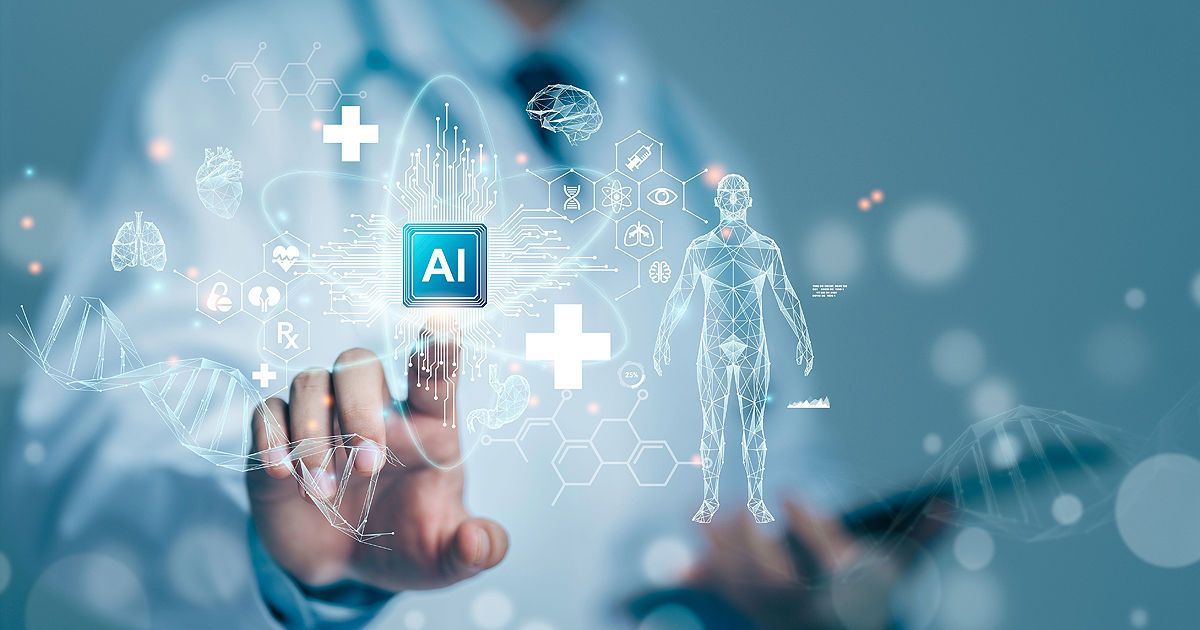
Artificial intelligence is undeniably the most influential force behind modern technology trends 2026. What started as simple machine learning algorithms has evolved into sophisticated systems capable of analyzing complex data, understanding human language, and making autonomous decisions. Today, AI powers everything from recommendation systems and chatbots to autonomous vehicles and medical diagnostics.
One of the biggest reasons AI is dominating future technology trends is its ability to learn and improve over time. Unlike traditional software, which follows fixed rules, AI systems adapt based on data and experience. This adaptability allows businesses to automate tasks, predict outcomes, and optimize operations with unprecedented accuracy. Experts believe that AI will become the core infrastructure of the digital economy, driving innovation across sectors.
Rise of Agentic AI and Intelligent Automation
A major development in the AI world is the rise of agentic AI, which refers to intelligent systems capable of acting independently. Unlike traditional AI assistants that simply respond to commands, these systems can plan tasks, make decisions, and execute workflows without constant human input.
Imagine a digital assistant that not only schedules meetings but also analyzes business data, prepares reports, and recommends strategies. That’s the promise of next generation technology powered by AI. As these systems become more advanced, they will reshape how people work and interact with technology.
Quantum Computing and Next Generation Technology
Quantum computing is one of the most fascinating emerging technology trends shaping the future of innovation. Unlike classical computers that use binary bits (0s and 1s), quantum computers use quantum bits or qubits, which can exist in multiple states simultaneously. This property allows quantum systems to perform complex calculations at speeds unimaginable for traditional computers.
Researchers believe that quantum computing will revolutionize industries such as pharmaceuticals, finance, and cybersecurity. For example, pharmaceutical companies could use quantum algorithms to simulate complex molecular structures and develop new drugs faster. Financial institutions could analyze market trends more accurately and optimize investment strategies.
Cloud Computing Evolution and Digital Transformation Trends
Cloud computing has already transformed how businesses store data and run applications, but its evolution continues to drive major digital transformation trends. Instead of relying on traditional servers or on-premise infrastructure, organizations now use cloud platforms to scale operations, process massive datasets, and deploy software globally.
The next phase of cloud computing is often called Cloud 3.0. This new generation of cloud technology focuses on integrating artificial intelligence, automation, and advanced analytics directly into cloud platforms. As a result, companies can build intelligent applications that automatically adapt to changing conditions and user needs.
Cloud 3.0 and AI-Powered Infrastructure
Cloud platforms are becoming the backbone of modern digital ecosystems. They provide the computing power required to train AI models, store massive amounts of data, and deliver services to millions of users worldwide. Without cloud infrastructure, many of today’s latest technology innovations simply wouldn’t be possible.
Internet of Things (IoT) and Smart Ecosystems
The Internet of Things (IoT) is one of the most transformative global technology trends shaping modern society. IoT refers to networks of connected devices—such as sensors, appliances, vehicles and industrial machines—that communicate with each other through the internet. These devices collect and share data, enabling real-time monitoring, automation and intelligent decision-making.
In smart homes, IoT devices allow homeowners to control lighting, security systems, and appliances remotely using smartphones or voice assistants. In cities, connected sensors monitor traffic flow, air quality, and energy consumption, helping governments improve infrastructure and reduce environmental impact.
Industrial IoT is also revolutionizing manufacturing and logistics. Factories use sensors and machine learning algorithms to monitor equipment performance and predict maintenance needs. This approach reduces downtime and improves efficiency, saving companies millions of dollars each year.
Cybersecurity in the Era of Advanced Technology Trends
As technology becomes more interconnected, cybersecurity has emerged as one of the most critical challenges of the digital age. Every new device, platform, or network creates potential entry points for cyberattacks. Protecting data and digital infrastructure has therefore become a top priority for governments and businesses worldwide.
One of the most important cybersecurity strategies today is the Zero Trust model, which assumes that no user or device should be trusted by default. Instead, systems continuously verify identities and permissions before granting access. This approach significantly reduces the risk of unauthorized access and data breaches.
RELATED POST: SEO By HighSoftware99.com Boost Rankings, Traffic and Online Growth
Edge Computing and Real-Time Data Processing
Edge computing is rapidly emerging as a critical component of advanced technology trends and modern digital infrastructure. Traditionally, data generated by devices and applications was sent to centralized cloud servers for processing. While this model worked well for many years, the explosion of connected devices and real-time applications has created new challenges related to latency, bandwidth, and data security.
Edge computing addresses these challenges by processing data closer to where it is generated. Instead of sending every piece of information to a remote data center, edge devices analyze data locally and only transmit essential insights to the cloud. This approach dramatically reduces response times and improves system efficiency. Industries such as manufacturing, healthcare, transportation and smart cities are increasingly adopting this model to enable faster decision-making and automation.
Robotics and Physical AI Transforming Industries
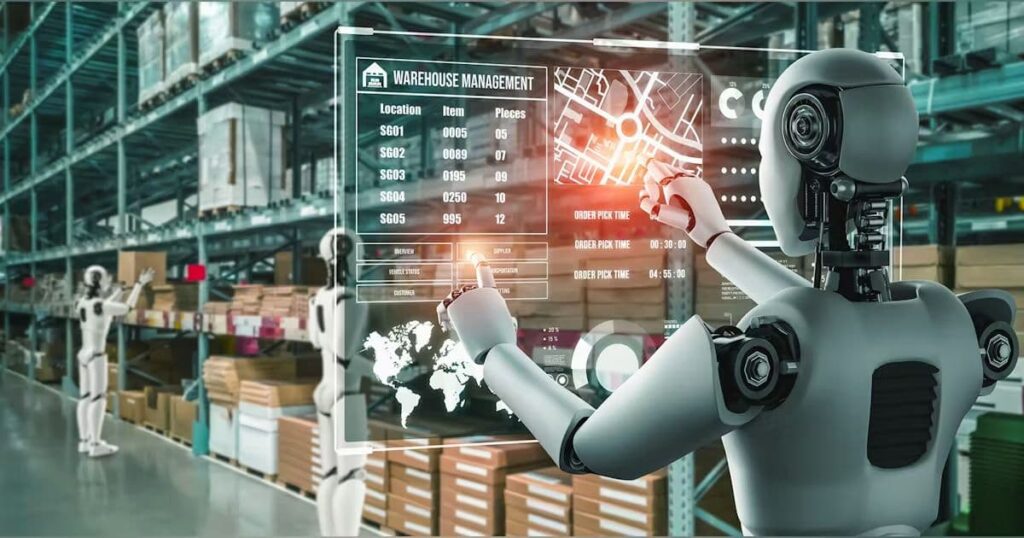
Robotics has moved far beyond industrial assembly lines. Today’s robots are smarter, more adaptable, and capable of performing complex tasks across many sectors. The integration of robotics with artificial intelligence, often referred to as Physical AI, is one of the most exciting emerging technology trends shaping the global economy.
Modern robots are equipped with sensors, cameras, and machine learning algorithms that allow them to understand their environment and respond dynamically. In warehouses, autonomous robots transport goods and manage inventory with incredible precision. In healthcare, robotic surgical systems assist doctors in performing delicate procedures with improved accuracy and reduced recovery times.
Blockchain and Decentralized Technology Developments
Blockchain technology first gained attention as the foundation of cryptocurrencies like Bitcoin. However, its potential extends far beyond digital currency. Today, blockchain is recognized as one of the most important modern technology developments because it enables secure, transparent, and decentralized systems for managing data and transactions.
At its core, blockchain is a distributed ledger that records information across multiple computers. Each transaction is verified by the network and permanently stored in a chain of blocks, making it extremely difficult to alter or manipulate the data. This structure creates a high level of trust without requiring a central authority.
Augmented Reality and Virtual Reality Innovations
Augmented Reality (AR) and Virtual Reality (VR) are rapidly transforming how people interact with digital content. These technologies create immersive experiences that blend the physical and digital worlds, opening new possibilities for entertainment, education, healthcare, and business collaboration.
Augmented Reality overlays digital elements onto the real world through devices such as smartphones, smart glasses, or AR headsets. This technology allows users to see additional information or interactive objects within their environment. Retail companies are using AR to help customers visualize furniture in their homes before making a purchase, while educators are using AR apps to create interactive learning experiences.
Virtual Reality, on the other hand, immerses users in fully digital environments. VR headsets transport users into simulated worlds where they can explore, interact, and collaborate with others. In industries such as aviation and healthcare, VR simulations are used for training professionals in complex scenarios without real-world risks.
6G Connectivity and Next-Generation Networks
Connectivity is the foundation of the digital world, and the next major leap in networking technology is 6G. While 5G networks are still expanding globally, researchers and technology companies are already developing the sixth generation of wireless communication. This technology promises faster speeds, lower latency, and entirely new capabilities.
6G networks are expected to support advanced applications such as real-time holographic communication, immersive augmented reality experiences, and autonomous transportation systems. These networks may also integrate satellite communication directly with mobile devices, enabling seamless connectivity even in remote areas.
Green Technology and Sustainable Innovation
Technology is not only about speed and efficiency; it is also becoming a powerful tool for addressing environmental challenges. Green technology is emerging as one of the most important global technology trends as governments and companies work to reduce carbon emissions and promote sustainable development.
Renewable energy technologies such as solar panels, wind turbines, and energy storage systems are improving rapidly thanks to advances in materials science and data analytics. Smart grids powered by AI and IoT devices allow energy providers to monitor electricity demand in real time and distribute power more efficiently.
Another major development is sustainable manufacturing. Companies are using advanced sensors, automation, and predictive analytics to reduce waste and optimize resource usage. Electric vehicles and smart transportation systems are also helping reduce pollution in urban areas.
Automation and Smart Workforces
Automation is transforming workplaces around the world. Tasks that once required hours of manual effort can now be completed in seconds using intelligent software systems. This shift is one of the most impactful digital transformation trends affecting businesses and employees alike.
Robotic process automation (RPA) allows organizations to automate repetitive tasks such as data entry, invoice processing, and customer support. By eliminating routine work, employees can focus on more strategic and creative activities. Automation also reduces human error and improves operational efficiency.
However, automation does not necessarily mean job loss. Instead, it is changing the nature of work. Many new roles are emerging in areas such as AI supervision, data analysis, and cybersecurity. Employees are increasingly expected to work alongside intelligent machines, combining human creativity with machine precision.
Wearable Technology and Human–Tech Integration
Wearable technology has evolved from simple fitness trackers to sophisticated devices capable of monitoring health, enhancing productivity, and improving daily life. Smartwatches, AR glasses and health monitoring devices are becoming increasingly popular as part of the broader ecosystem of modern technology developments.
Many wearable devices now include sensors that track heart rate, sleep patterns, physical activity, and even blood oxygen levels. This data can be analyzed using artificial intelligence to provide personalized health insights and early warnings of potential medical issues. Healthcare professionals are beginning to use wearable technology to monitor patients remotely, improving treatment outcomes and reducing hospital visits.
Data-Centric Architectures Driving Business Growth
Data has become the most valuable asset in the digital economy. Companies collect vast amounts of information from customer interactions, online platforms, sensors, and connected devices. However, the true value of this data lies in how effectively it can be processed and analyzed.
Modern businesses are adopting data-centric architectures that prioritize real-time data processing and advanced analytics. These systems allow organizations to quickly extract insights from massive datasets, enabling faster decision-making and improved business strategies. Edge computing and streaming analytics play a crucial role in supporting these data-driven operations.
Global Technology Trends Impacting Businesses
Technology trends are not limited to one country or industry. They are shaping global economies and influencing how organizations compete on the international stage. Companies that fail to adapt to these changes risk falling behind in an increasingly digital world.
Governments are also recognizing the importance of technology innovation. Many countries are investing heavily in research and development to strengthen their technological capabilities. For example, artificial intelligence, robotics, and quantum computing are becoming key areas of strategic investment worldwide.
International collaboration is also playing a role in advancing technology. Research institutions, startups, and large corporations often work together to develop new solutions and share knowledge. These partnerships accelerate innovation and create opportunities for global growth.
Challenges and Risks of Emerging Technologies
Despite the enormous potential of modern technologies, they also introduce significant challenges and risks. One of the biggest concerns is data privacy. As companies collect more information about users, protecting that data becomes increasingly important. Data breaches and cyberattacks can cause serious financial and reputational damage.
Another challenge is ethical considerations surrounding artificial intelligence. AI systems must be designed carefully to avoid bias and ensure fair decision-making. Governments and organizations are developing guidelines and regulations to address these concerns and promote responsible AI development.
Technological inequality is another issue that cannot be ignored. While advanced technologies offer tremendous benefits, not everyone has equal access to them. Bridging the digital divide will be essential to ensure that the benefits of innovation are shared globally.
Addressing these challenges requires collaboration between governments, businesses, and technology experts. By developing responsible policies and ethical frameworks, society can maximize the benefits of disruptive technologies while minimizing potential risks.
The Future of Technology Beyond 2030
Looking beyond 2030, the future of technology promises even more exciting possibilities. Artificial intelligence will become more sophisticated, enabling machines to understand context, emotions, and complex decision-making processes. Quantum computing could unlock breakthroughs in medicine, materials science, and climate modeling.
The convergence of technologies will also create entirely new industries. For example, the combination of AI, biotechnology, and nanotechnology could lead to revolutionary healthcare solutions. Smart cities powered by IoT, renewable energy, and intelligent transportation systems may become the norm.
FAQ’s
Why are emerging technology trends important for businesses?
They help companies improve efficiency, innovation, and competitiveness in the digital economy.
What is the most important technology trend in 2026?
Artificial intelligence is considered the most influential trend shaping industries worldwide.
How does digital transformation impact organizations?
It allows businesses to automate processes, analyze data, and deliver better customer experiences.
What is next generation technology?
It refers to advanced innovations such as AI, quantum computing, 6G networks, and smart automation systems.
Conclusion
The major trends in technology TogTechify highlight a future driven by innovation, connectivity, and digital transformation. From artificial intelligence and quantum computing to IoT ecosystems and cloud infrastructure, these technologies are reshaping industries and redefining how people interact with the world.
Understanding these emerging technology trends is essential for businesses, professionals, and individuals who want to stay competitive in the digital era. The rapid pace of innovation means that adaptability, continuous learning, and strategic investment in technology will be key to success.
As we move further into the era of next generation technology, the opportunities are limitless. The organizations and individuals who embrace change and leverage these innovations will play a crucial role in shaping the technological landscape of the future.