

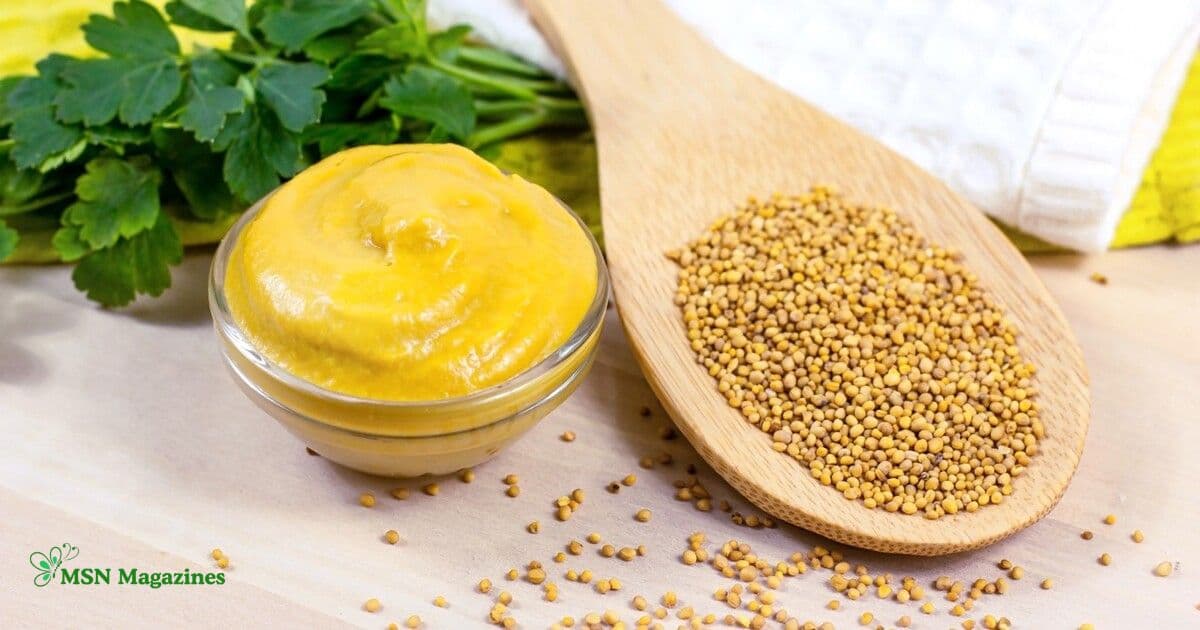
Have you ever tasted a condiment that instantly transforms a simple meal into something unforgettable? That’s exactly what muštarda does.
This bold and tangy mustard-based sauce has been quietly adding flavor to dishes for centuries. From ancient European kitchens to modern gourmet plates, muštarda blends spicy mustard seeds with vinegar, spices, and sometimes sweet fruit notes to create a rich, exciting flavor.
Whether you love experimenting with new flavors or simply want to upgrade your sandwiches, meats, and cheese boards, mustarda is a hidden culinary gem worth discovering.
What is Muštarda?
Muštarda is a flavorful condiment closely related to mustard. It is usually made from ground mustard seeds mixed with vinegar, spices, and sometimes fruit or sugar. The result is a sauce that is tangy, spicy, and incredibly versatile in cooking.
Many people compare muštarda to traditional mustard, but there is a small twist. Muštarda often includes extra ingredients such as fruit syrup, herbs, or sweeteners, giving it a richer, more complex flavor.
You might see it served with meats, cheese, or sandwiches. In many European cuisines, muštarda is not just a sauce; it is a part of culinary tradition.
Origin of the Word Muštarda
The word “muštarda” comes from the Latin word mustum, which means grape must or fresh grape juice. In medieval times, mustard seeds were mixed with grape must to create a flavorful paste.
This combination eventually evolved into the condiment known today. Over time, the name changed slightly in different languages, but the core idea remained the same.
Basic Meaning in Food Culture
In food culture, muštarda simply refers to a mustard-based condiment with added flavor elements. Some versions are sweet. Others are spicy or sour.
Think of it like mustard with personality. It carries the sharpness of mustard but also adds deeper layers of taste.
History of Muštarda
The story of muštarda goes back hundreds of years. Mustard itself is one of the oldest condiments known to humans.
Early Use in Europe
Ancient Romans were among the first to experiment with mustard sauces. They crushed mustard seeds and mixed them with grape juice or vinegar.
This mixture created a strong and flavorful sauce. Over time, this method spread across Europe.
Evolution of Mustard Condiments
During the Middle Ages, mustard became very popular in European kitchens. Chefs started experimenting with spices, fruits, and herbs.
Eventually, special regional versions appeared. Mustard became one of those variations, especially in Mediterranean and Balkan cuisines.
Ingredients Used in Muštarda
The beauty of muštarda lies in its simplicity. Only a few ingredients are needed, yet the flavor is powerful.
Mustard Seeds
Mustard seeds are the heart of the recipe. These tiny seeds pack a strong punch of flavor.
When crushed and mixed with liquid, they release their sharp and spicy oils. This is what gives muštarda its signature kick.
Vinegar and Spices
Vinegar adds acidity and balances the flavor. It also helps preserve the sauce.
Other ingredients may include:
- Black pepper
- Garlic
- Sugar
- Honey
- Herbs
- Fruit syrup
These additions transform basic mustard into a unique condiment.
Types of Muštarda
Just like mustard, muštarda comes in several styles.
Sweet Muštarda
Sweet muštarda is very popular in some European regions. It often includes fruit ingredients such as figs, pears, or grapes.
The sweetness balances the sharp mustard flavor. This makes it perfect for cheese boards and roasted meats.
Spicy Muštarda
Some versions focus on heat. They contain extra mustard seeds, chili, or strong spices.
This type is ideal for people who love bold flavors.
Think of it as mustard with extra attitude.
How is Muštarda Made?
Making muštarda is surprisingly simple.
Traditional Preparation
Traditionally, cooks used a mortar and pestle to crush mustard seeds. They mixed the powder with vinegar and grape must.
The mixture was then left to rest so the flavors could develop.
Modern Production
Today, factories use grinders and mixers to produce muštarda on a larger scale.
Even though the tools have changed, the core process remains the same:
- Grind mustard seeds
- Add liquid (vinegar or wine)
- Mix spices and flavorings
- Let the sauce mature
Nutritional Value of Muštarda
Muštarda is not just tasty. It also contains useful nutrients.
Calories and Nutrients
Most mustard-based sauces are low in calories. A small serving usually contains:
- Very few fats
- Low calories
- Small amounts of protein
- Trace minerals
This makes muštarda a healthier condiment compared to creamy sauces.
Health Benefits
Mustard seeds contain natural compounds that may support digestion.
Some possible benefits include:
- Improved metabolism
- Antioxidant properties
- Anti-inflammatory compounds
Of course, moderation is key with any condiment.
RELATED POST: Dichosity Dual Structures in Science, Psychology, and Technology
Culinary Uses of Muštarda
Muštarda is extremely versatile in the kitchen.
Pairing with Meat
Many chefs serve it alongside roasted or grilled meats.
It works especially well with:
- Beef
- Sausages
- Pork
- Chicken
The tangy flavor cuts through rich meat dishes.
Use in Sandwiches and Sauces
Muštarda also works great in everyday meals.
You can spread it on sandwiches, mix it into sauces, or add it to salad dressings.
It instantly adds a burst of flavor.
Muštarda in Different Cultures
Different regions have their own style of muštarda.
Italian Influence
In Italy, a famous version called mostarda combines mustard flavor with candied fruits.
It is often served with cheeses or boiled meats.
Balkan Traditions
In Balkan cuisine, muštarda is often simpler but very bold in flavor.
It may be served with grilled meats or traditional dishes.
How to Make Muštarda at Home?
Making your own muštarda can be fun and easy.
Ingredients Needed
You will need:
- 2 tablespoons mustard seeds
- 2 tablespoons vinegar
- 1 teaspoon honey or sugar
- A pinch of salt
- Optional spices
Step-by-Step Recipe
- Crush the mustard seeds slightly.
- Mix them with vinegar in a bowl.
- Add honey, salt, and spices.
- Let the mixture rest for a few hours.
The flavor will become stronger over time.
Homemade muštarda often tastes fresher than store versions.
Buying Guide for Muštarda
If you prefer buying it instead of making it, here are some tips.
What to Look For
A good muštarda should have:
- Strong aroma
- Balanced acidity
- Natural ingredients
Avoid products with too many artificial additives.
Storage Tips
Keep muštarda in a sealed jar in the refrigerator.
Proper storage can keep it fresh for several months.
Future of Muštarda
Muštarda is slowly gaining popularity worldwide.
Gourmet Trends
Food lovers are exploring artisan condiments more than ever.
Small producers now create premium muštarda with unique flavors.
Online Food Culture
Social media and food blogs have helped introduce this condiment to new audiences.
People enjoy discovering traditional flavors from different cultures.
Muštarda fits perfectly into this global food trend.
More Ways to Use Muštarda in Everyday Cooking
Muštarda is not limited to meat dishes or sandwiches. In fact, creative cooks use it in many surprising ways. Its tangy kick can instantly improve simple meals.
For example, you can mix muštarda with olive oil and lemon juice to create a quick salad dressing. The sharp flavor pairs beautifully with fresh greens. It also works well in potato salad or pasta salad.
Another fun trick is to use it in marinades. When combined with garlic, herbs, and olive oil, muštarda can turn ordinary chicken or fish into something special. Think of it as a flavor booster that wakes up your taste buds.
Muštarda and Cheese Pairings
One of the best ways to enjoy muštarda is with cheese. The contrast between creamy cheese and spicy mustard sauce creates a perfect balance.
Best Cheese Matches
Some cheeses work especially well with muštarda:
- Aged cheddar
- Gouda
- Parmesan
- Brie
- Blue cheese
The spicy tang of muštarda cuts through the richness of these cheeses. This is why many gourmet cheese boards include mustard-style condiments.
Serving Ideas
If you are hosting guests, try this simple idea:
- Place a few cheese varieties on a wooden board.
- Add crackers or sliced bread.
- Put a small bowl of muštarda in the center.
It instantly turns a simple snack into a restaurant-style appetizer.
Muštarda in Modern Gourmet Cooking
In recent years, chefs have started experimenting with traditional condiments again. Muštarda has become part of this trend.
Creative Restaurant Dishes
Modern restaurants sometimes use muštarda in unexpected ways:
- As a glaze for roasted vegetables
- Mixed into creamy pasta sauces
- Drizzled over grilled seafood
- Added to burger sauces
These creative uses show how flexible this condiment can be.
Fusion Cuisine
Food cultures around the world are blending. Because of that, muštarda is appearing in fusion dishes.
For example, some chefs mix muštarda with mayonnaise to create a spicy spread for burgers or wraps. Others blend it with yogurt to make a tangy dip.
This kind of experimentation keeps traditional ingredients fresh and exciting.
Muštarda vs Other Mustard Types
You might be wondering how muštarda compares with other mustard varieties.
Classic Yellow Mustard
Yellow mustard is mild and slightly sour. It is commonly used on hot dogs and burgers.
Muštarda, however, usually has a deeper and more complex flavor.
Dijon Mustard
Dijon mustard is smoother and stronger than yellow mustard. It comes from the Dijon region of France.
Muštarda is similar in strength but may include sweet or fruity notes.
Whole Grain Mustard
Whole grain mustard contains visible mustard seeds and has a textured feel.
Muštarda can sometimes be smooth or textured depending on how it is prepared.
In simple words: muštarda sits somewhere between classic mustard and gourmet condiments.
Common Mistakes When Using Muštarda
Even though muštarda is easy to use, people sometimes make small mistakes.
Using Too Much
Mustard-based sauces are powerful. A little goes a long way.
Adding too much muštarda can overpower other flavors in a dish.
Ignoring Flavor Pairings
Muštarda works best with foods that can balance its sharpness. Rich meats, cheeses, and breads are perfect partners.
Light foods without strong flavor might get overwhelmed.
Not Letting It Rest
If you make muštarda at home, let it sit for a few hours or even overnight. This allows the flavors to develop fully.
Patience makes the taste much better.
Muštarda in Street Food
Street food vendors in some European regions also use mustard-style sauces like muštarda.
Sausages and Grilled Foods
One of the most common uses is with grilled sausages. The spicy tang adds excitement to smoky meats.
Hot sandwiches and grilled wraps also benefit from a touch of muštarda.
Fast but Flavorful
Street food is all about quick preparation with strong flavors. Muštarda fits perfectly into that style.
A small spoonful can turn a simple sandwich into something memorable.
Why Food Lovers Are Rediscovering Muštarda?
In recent years, many people have become interested in traditional foods again.
The Return of Artisan Condiments
Small food producers now create handmade versions of sauces and spreads. Muštarda fits perfectly into this movement.
Artisan brands often experiment with ingredients like:
- Honey
- Herbs
- Citrus peel
- Exotic spices
These variations bring new life to an old condiment.
Global Food Curiosity
The internet has made it easier than ever to discover international foods.
Food bloggers and chefs often highlight unique ingredients from different cultures. Muštarda is one of those hidden gems.
It offers something familiar, like mustard, but with a fresh twist.
Simple Muštarda Serving Ideas
If you want to try muštarda today, here are a few easy ideas:
- Spread it on a grilled chicken sandwich
- Mix it with mayonnaise for a burger sauce
- Add a spoonful to salad dressing
- Serve it with roasted potatoes
- Pair it with cheese and crackers
These simple ideas show how versatile the condiment can be.
FAQ’s
What does muštarda taste like?
Muštarda usually tastes tangy and spicy, with some versions also having a slight sweetness.
Is muštarda the same as mustard?
It is similar, but muštarda often includes additional ingredients like fruit, sugar, or herbs.
Where is muštarda most popular?
It is commonly found in European cuisines, especially Italian and Balkan food traditions.
Can muštarda be used in cooking?
Yes, it works well in sauces, marinades, sandwiches, and meat dishes.
How long does muštarda last?
When stored in a refrigerator in a sealed jar, it can last for several months.
Conclusion
Muštarda may look like a simple mustard sauce, but it carries a long history and rich culinary tradition. From ancient Roman kitchens to modern gourmet restaurants, this condiment has evolved into many exciting forms. Its balance of tangy, spicy, and sometimes sweet flavors makes it incredibly versatile.
Whether you spread it on a sandwich, pair it with roasted meat, or serve it on a cheese board, muštarda can elevate almost any dish. As global food culture continues to grow, this classic condiment will likely become even more popular among adventurous food lovers.