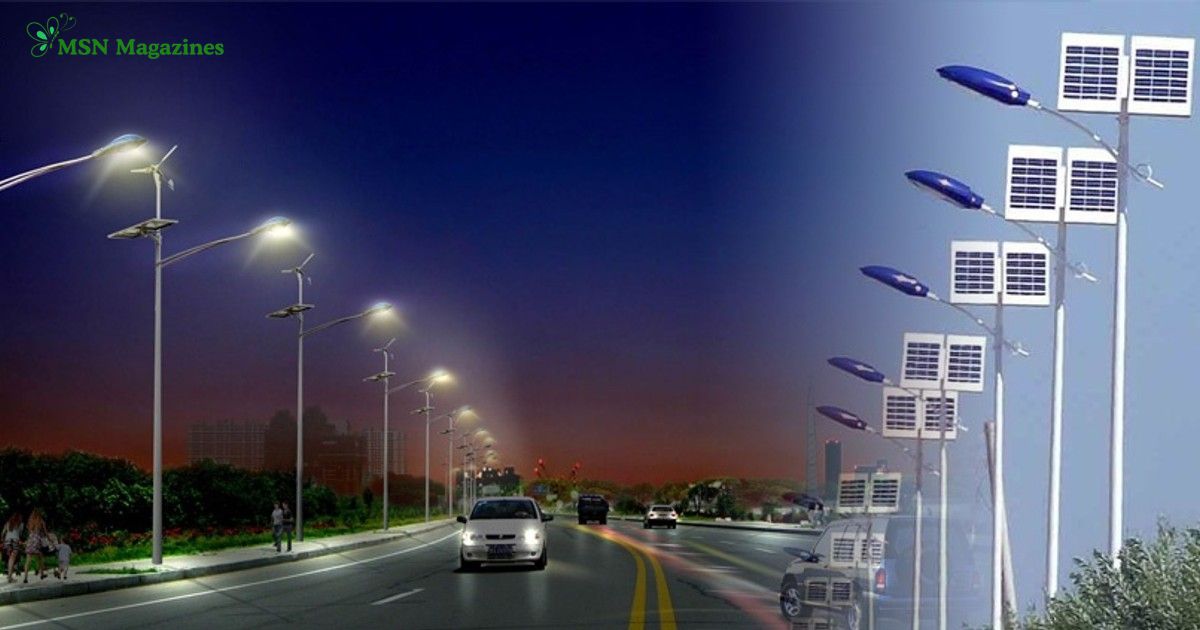


Step outside at night and look around. Streetlights glow across highways, neighborhoods, parks and industrial areas. They’re silent guardians of safety and visibility. But have you ever wondered how much energy they consume? Or how often they need maintenance?
Traditional street lighting systems rely heavily on grid electricity. In many countries, this electricity still comes from fossil fuels. That means higher carbon emissions, rising operational costs and a growing environmental footprint. Now combine that with rapid urbanization and expanding infrastructure. The result? A massive increase in energy demand just to keep our streets illuminated.
A self cleaning streetlight powered by oil palm waste represents a breakthrough in sustainable infrastructure. It addresses two major global concerns at once: waste management and renewable energy generation. Instead of treating oil palm waste as an environmental burden, we can convert it into a valuable energy resource.
Understanding Oil Palm Waste
Types of Oil Palm Waste
The palm oil industry is one of the largest agricultural sectors in countries like Malaysia, Indonesia, and Nigeria. While palm oil production drives economic growth, it also generates enormous amounts of waste.
- Empty Fruit Bunches (EFB)
After palm oil extraction, empty fruit bunches are left behind. These fibrous materials are often discarded or burned, contributing to environmental pollution. However, EFB is rich in biomass energy potential. It can be converted into biofuel, biochar, or even compressed biomass pellets for power generation.
- Palm Kernel Shells (PKS)
Palm kernel shells are hard, woody residues left after kernel extraction. These shells have high calorific value, making them ideal for biomass combustion and gasification processes. In fact, PKS is increasingly traded globally as a renewable energy source.
- Palm Oil Mill Effluent (POME)
POME is liquid waste generated during palm oil processing. If untreated, it releases methane, a greenhouse gas far more potent than carbon dioxide. But with anaerobic digestion technology, POME can produce biogas for electricity generation.
Each of these waste types holds untapped energy potential. Instead of polluting rivers and landfills, they can power sustainable infrastructure—like self cleaning streetlights.
Environmental Impact of Oil Palm Waste
Oil palm waste management has long been an environmental challenge. Improper disposal leads to:
- Water contamination
- Methane emissions
- Soil degradation
- Air pollution from open burning
But here’s the twist. Waste is only a problem when it’s unused.
When converted into bioenergy, oil palm waste becomes part of a circular economy. It reduces reliance on fossil fuels, lowers greenhouse gas emissions, and creates new economic opportunities in biomass energy production.
By integrating this renewable resource into streetlight systems, we create a powerful sustainability loop:
Agricultural waste → Biomass energy → Smart street lighting → Reduced emissions.
That’s not just efficient. It’s transformative.
The Problem of Streetlight Maintenance
Now let’s talk about something most people ignore. Streetlights may look simple, but maintaining them is costly and labor-intensive.
Dust, pollution, bird droppings, and debris accumulate on solar panels and light covers. Over time, this reduces efficiency. A dirty solar panel can lose up to 30% of its energy absorption capacity. That means dimmer lights and higher energy loss.
Manual cleaning requires:
- Skilled labor
- Specialized equipment
- Traffic management
- Ongoing operational costs
In rural or remote areas, maintenance becomes even more complicated. Technicians must travel long distances just to clean panels or replace components.
This is where self cleaning technology becomes revolutionary. By integrating automated cleaning mechanisms and smart sensors, these systems maintain optimal efficiency without frequent human intervention. When powered by renewable energy derived from oil palm waste, the system becomes even more sustainable and cost-effective.
What Is a Self Cleaning Streetlight?
Traditional streetlights are straightforward. They connect to the electrical grid, turn on at dusk using timers or photocells, and turn off at dawn. Some modern versions use LED technology to reduce energy consumption.
But despite improvements in lighting efficiency, maintenance challenges remain. Dirt accumulation, weather exposure, and component degradation reduce performance over time.
Solar-powered streetlights improved energy efficiency by removing grid dependency. However, solar panels are highly sensitive to dust and debris. Without regular cleaning, energy production drops significantly.
This is where the concept of self cleaning streetlights changes the game.
The Concept of Self Cleaning Technology
A self cleaning streetlight is designed to maintain itself automatically. It integrates cleaning mechanisms directly into the system, ensuring maximum efficiency at all times.
Automated Cleaning Mechanisms
These systems typically use:
- Motorized wiper arms
- Rotating brushes
- Air-blowing systems
- Water spray nozzles
The cleaning unit activates periodically or when sensors detect reduced panel efficiency. Some systems even use vibration-based cleaning to remove fine dust particles.
Sensor-Based Smart Systems
Advanced models incorporate IoT sensors that monitor:
- Dust levels
- Solar panel output
- Battery performance
- Weather conditions
When efficiency drops below a certain threshold, the system automatically initiates cleaning. This eliminates the need for frequent manual inspection.
Now imagine pairing this intelligent cleaning system with renewable energy derived from oil palm waste. You create a fully autonomous, eco-friendly lighting solution that practically runs itself.
RELATED POST: Self Cleaning Street Light Palm Oil Sustainable Outdoor Lighting
How Oil Palm Waste Powers Self Cleaning Streetlights?
Oil palm waste may look like agricultural leftovers, but in reality, it’s a powerful energy resource waiting to be unlocked. The key lies in converting this biomass into usable electricity that can power smart infrastructure like self cleaning streetlights.
The conversion process typically involves:
- Collection of biomass waste (EFB, PKS, POME)
- Drying and preprocessing
- Energy extraction through combustion, gasification, or anaerobic digestion
- Electricity generation using turbines or generators
For example, palm kernel shells (PKS) have a high calorific value, making them ideal for biomass combustion. When burned in controlled environments, they generate heat, which produces steam. This steam drives turbines to generate electricity.
On the other hand, palm oil mill effluent (POME) undergoes anaerobic digestion. Microorganisms break down organic matter and release methane-rich biogas. Instead of allowing methane to escape into the atmosphere, it’s captured and used to generate electricity.
This electricity can then:
- Power streetlights directly in rural areas
- Charge battery systems
- Feed microgrids for smart city applications
What makes this truly powerful is the decentralization potential. Instead of relying on national grids, communities near palm oil plantations can generate their own renewable electricity locally. This reduces transmission losses, lowers energy costs, and improves energy resilience.
In simple terms, agricultural waste becomes community power. And when that power runs self cleaning streetlights, you get a lighting system that is both intelligent and sustainable.
Biomass Gasification and Biofuel Production
Among all technologies, biomass gasification stands out as one of the most efficient methods for converting oil palm waste into energy.
Here’s how it works:
Biomass is heated in a low-oxygen environment. Instead of burning completely, it transforms into a synthetic gas (syngas) composed mainly of carbon monoxide, hydrogen, and methane. This syngas can then fuel internal combustion engines or turbines to produce electricity.
Why is this important?
Because gasification:
- Produces lower emissions than open burning
- Maximizes energy output
- Allows small-scale decentralized power generation
- Supports rural electrification
Integrating Renewable Energy into Streetlight Systems
Now imagine a hybrid system.
A self cleaning streetlight powered by:
- Solar panels during sunny days
- Biomass-generated electricity at night or during cloudy weather
- Battery storage for uninterrupted operation
This hybrid integration ensures consistent lighting regardless of weather conditions. Solar energy handles daytime charging. Biomass energy provides backup power. Together, they create a resilient, off-grid lighting solution.
This model is particularly beneficial for:
- Remote plantations
- Rural highways
- Industrial zones
- Developing regions with unstable grids
By integrating renewable biomass energy from oil palm waste, streetlights become independent from fossil-fuel-based electricity. That means lower carbon footprints and long-term sustainability.
Key Components of a Self Cleaning Streetlight System
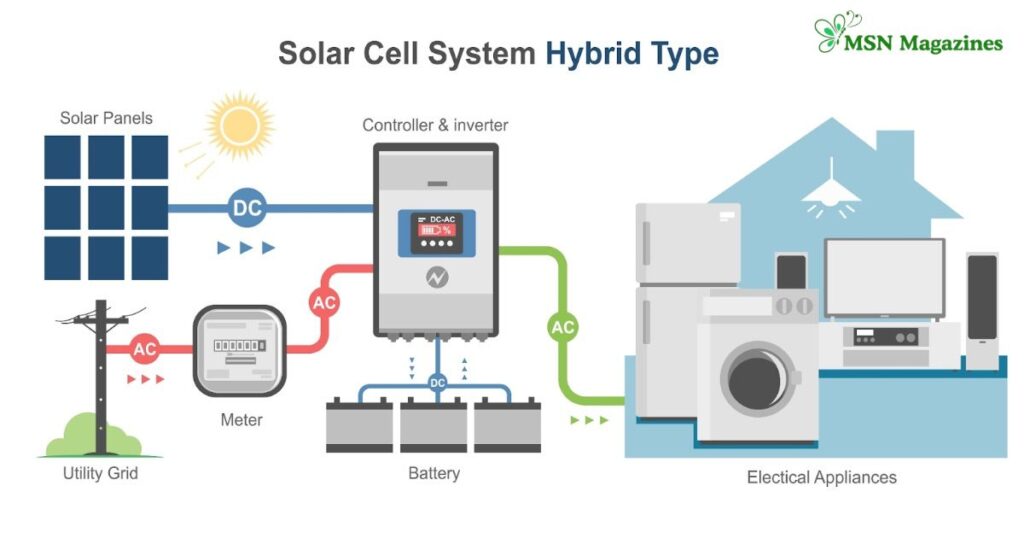
Solar Panels and Biomass Hybrid Systems
Solar panels capture sunlight and convert it into electricity using photovoltaic cells. However, unlike conventional systems, hybrid models connect to biomass-powered microgrids fueled by oil palm waste.
This dual-source design offers:
- Energy redundancy
- Increased reliability
- Lower dependency on weather
- Reduced long-term operational costs
During peak sunlight hours, solar panels charge high-capacity lithium or gel batteries. At night, stored energy powers LED lights. If solar input is insufficient, biomass-generated electricity supplements the system.
Smart Sensors and IoT Integration
Modern self cleaning streetlights aren’t just lights. They are intelligent devices.
IoT-enabled systems monitor:
- Panel efficiency
- Battery health
- Dust accumulation
- Ambient light levels
- Motion detection
For example, motion sensors allow adaptive brightness control. When no vehicles or pedestrians are present, the light dims to save energy. When motion is detected, brightness increases instantly.
This smart response reduces energy consumption by up to 40%.
Meanwhile, remote monitoring dashboards allow municipalities to:
- Track performance in real time
- Identify faults instantly
- Reduce inspection costs
- Optimize maintenance schedules
Automated Cleaning Units
Dust is the silent enemy of solar efficiency.
Self cleaning mechanisms solve this problem automatically. Common cleaning systems include:
- Motorized wipers
- Rotating microfiber brushes
- Air pressure blowers
- Minimal water spray systems
These units activate at scheduled intervals or when sensors detect reduced panel output.
In tropical regions where oil palm plantations thrive, high humidity and dust can quickly coat panels. Without cleaning, efficiency drops sharply.
Automated cleaning ensures:
- Maximum solar absorption
- Longer panel lifespan
- Reduced manual labor
- Consistent lighting output
This means lower operational expenses and higher reliability.
Energy Storage Systems
Energy storage plays a critical role.
High-quality batteries store both solar and biomass-generated electricity. Lithium-ion batteries are commonly used due to:
- High energy density
- Long lifecycle
- Fast charging capability
- Low maintenance requirements
Some advanced systems even incorporate smart battery management software that regulates charging cycles to extend battery life.
Reliable storage ensures:
- Continuous nighttime operation
- Power during cloudy days
- Emergency backup lighting
Without strong energy storage, even the best renewable system would struggle. With it, the self cleaning streetlight becomes nearly autonomous.
Benefits of Using Oil Palm Waste in Streetlights
Using oil palm waste for energy significantly reduces:
- Methane emissions
- Open burning pollution
- Landfill overflow
- Fossil fuel consumption
Methane captured from POME is particularly important. Methane is about 25 times more potent than CO₂ in terms of global warming potential. Capturing and converting it into energy dramatically lowers greenhouse gas emissions.
Economic Advantages
Beyond environmental gains, the economic benefits are substantial.
Oil palm-producing regions often struggle with waste disposal costs. Converting waste into energy turns a liability into an asset.
Economic advantages include:
- New job creation in biomass processing
- Reduced municipal electricity bills
- Lower maintenance costs
- Energy independence
Initial investment may be higher, but long-term savings are significant. Reduced grid reliance and minimal maintenance requirements make the system financially attractive over time.
Communities can reinvest energy savings into healthcare, education, or infrastructure development.
Reduced Maintenance Costs
If you’ve ever been involved in municipal infrastructure management, you know one thing for sure: maintenance eats budgets alive. Streetlights might seem simple, but the hidden costs behind them are anything but small. Routine inspections, cleaning solar panels, replacing damaged parts, managing outages, and dispatching technicians, it all adds up year after year.
Now imagine reducing most of those recurring expenses.
Self cleaning streetlights dramatically cut down on manual intervention. Traditional solar-powered streetlights require periodic cleaning because dust, pollution, and bird droppings reduce efficiency. In tropical and industrial regions, this buildup can happen fast. Without cleaning, solar absorption drops, battery charging weakens, and lighting performance declines.
Energy Independence for Rural Areas
In regions where palm oil production is common, rural villages often sit close to biomass resources but far from reliable electricity grids. Ironically, while they generate agricultural wealth, they may still struggle with unstable power supply.
This is where self cleaning streetlights powered by oil palm waste create a transformative opportunity.
Instead of waiting for large-scale grid expansion, communities can:
- Convert local oil palm waste into biomass energy
- Establish small-scale microgrids
- Power essential infrastructure like streetlights
Street lighting improves:
- Road safety
- Nighttime economic activity
- Community security
- Emergency response efficiency
Applications in Smart Cities and Rural Areas
Urban Infrastructure
Smart cities are built on data, efficiency, and sustainability. Lighting plays a major role in that equation.
In urban environments, self cleaning streetlights powered by renewable biomass energy can integrate seamlessly into broader smart city networks. Through IoT connectivity, these lights can:
- Adjust brightness dynamically
- Monitor air quality
- Support surveillance systems
- Provide public Wi-Fi nodes
- Collect traffic data
Now add renewable biomass energy from oil palm waste into the equation. Cities in palm-producing regions can offset a portion of their energy demand using local waste resources.
This reduces:
- Grid strain during peak hours
- Carbon emissions
- Long-term operational costs
Urban planners benefit from reliable lighting with minimal downtime. Automated cleaning ensures consistent efficiency even in polluted city environments.
The result? A smarter, cleaner, more resilient lighting infrastructure that aligns with sustainability goals.
Remote Villages and Off-Grid Locations
In off-grid regions, the impact is even more profound.
Without street lighting, communities face:
- Increased accident risk
- Limited nighttime productivity
- Security concerns
- Reduced mobility
Self cleaning streetlights powered by oil palm biomass offer a cleaner alternative.
They provide:
- Autonomous operation
- Minimal maintenance requirements
- Renewable local energy usage
- Long-term cost savings
For rural communities near palm plantations, this model turns local waste into local progress. That’s circular economy in action.
Highways and Industrial Zones
Highways and industrial areas demand reliable, high-intensity lighting. Any outage can increase accident risks or disrupt operations.
Biomass-supported hybrid lighting systems ensure:
- Continuous power supply
- Reduced dependency on centralized grids
- Lower carbon footprint for industrial facilities
Challenges and Limitations
The upfront cost of installing self cleaning streetlights integrated with biomass energy systems is higher than traditional lighting solutions. Expenses include:
- Advanced solar panels
- Automated cleaning mechanisms
- IoT sensors
- Battery storage
- Biomass processing infrastructure
For municipalities operating on tight budgets, this can be a barrier.
However, when evaluating cost, it’s essential to consider lifecycle analysis. While capital expenditure may be higher, operational and maintenance costs drop significantly over time.
Technical Barriers
Integrating multiple systems solar, biomass, IoT, automation requires technical expertise. Poor design or inadequate maintenance planning can reduce system efficiency.
Training local technicians becomes critical. Without knowledge transfer, advanced systems risk underperformance.
Standardization and proper engineering practices are essential to ensure:
- Reliable biomass conversion
- Efficient energy storage
- Durable cleaning mechanisms
- Stable connectivity
As technology matures and adoption increases, these barriers are expected to decline.
Waste Collection and Processing Issues
Biomass energy relies on consistent waste supply. If oil palm waste collection systems are poorly organized, energy production may fluctuate.
Efficient logistics must be in place to:
- Collect waste from mills
- Transport it to processing facilities
- Maintain storage quality
Future of Self Cleaning Streetlights Using Oil Palm Waste
Role in Circular Economy
The circular economy is about closing loops. Instead of producing waste, we continuously repurpose resources.
Self cleaning streetlights powered by oil palm waste represent a perfect circular model:
Palm cultivation → Oil production → Waste generation → Biomass energy → Public lighting → Sustainable development
Nothing wasted. Everything utilized. This approach reduces environmental damage while generating economic value. It transforms agriculture into a driver of clean energy innovation.
Government Policies and Green Initiatives
Many governments are introducing:
- Renewable energy incentives
- Carbon reduction mandates
- Smart city funding programs
- Waste-to-energy subsidies
Oil palm-producing nations are particularly well-positioned to lead this transition.
By investing in biomass-powered smart infrastructure, policymakers can simultaneously address:
- Waste management challenges
- Renewable energy targets
- Rural electrification goals
- Climate commitments
Policy support will play a critical role in scaling this technology globally.
FAQ’s
Are self-cleaning streetlights more expensive than traditional ones?
The initial installation cost is higher, but long-term savings from reduced maintenance and lower electricity consumption make them cost-effective over time.
Can these systems work in non-palm-producing countries?
Yes, similar biomass waste sources can be used. However, oil palm waste-based systems are most efficient in regions where palm oil production is common.
How often do the cleaning systems operate?
Cleaning frequency depends on environmental conditions and sensor readings. Most systems activate automatically when efficiency drops below a set threshold.
Is biomass energy from oil palm waste environmentally friendly?
Yes, when managed properly. It reduces methane emissions, prevents open burning, and supports carbon-neutral energy production within a circular economy framework.
Conclusion
Self cleaning streetlights powered by oil palm waste represent more than just a technological upgrade. They symbolize a shift in how we think about waste, energy, and infrastructure.
By converting agricultural byproducts into renewable energy, we tackle two major challenges at once: waste management and sustainable power generation. Add automated cleaning and smart monitoring into the mix, and you get a resilient, low-maintenance, eco-friendly lighting solution.
From smart cities to rural villages, from highways to industrial parks, this innovation offers scalable applications with long-term economic and environmental benefits.