

When people first hear about Wattios, they often assume it’s just another smart home gadget. But honestly, that barely scratches the surface. Wattios is more like having a personal energy assistant that quietly watches over your electricity usage, finds inefficiencies, and nudges you toward smarter decisions without being intrusive. It blends IoT (Internet of Things) technology, cloud computing, and automation into one seamless ecosystem designed to optimize how energy is consumed in both homes and businesses.
At its core, Wattios is a smart energy management system that connects your electrical devices, monitors their consumption in real time, and gives you actionable insights. Think of it like a fitness tracker, but instead of counting your steps, it tracks your kilowatt-hours. And just like a fitness tracker helps you improve your health, Wattios helps improve your energy habits. The system is designed for people who want more control, transparency, and efficiency in their energy use without needing to become engineers or tech experts.
Origin and Company Background
Wattios didn’t just appear out of nowhere; it was born out of a growing global need to make energy consumption smarter and more sustainable. The company behind Wattios recognized early on that traditional energy systems were outdated, inefficient, and lacked transparency. People were paying electricity bills without truly understanding what contributed to those costs. That gap in awareness became the foundation for Wattios’ innovation.
The company was built by a team of engineers, data scientists, and sustainability advocates who shared a common belief: energy should be visible, manageable, and optimized in real time. Instead of relying on monthly bills that summarize past usage, they envisioned a system that could provide live insights and predictive analytics. This vision led to the development of a platform that integrates hardware sensors, cloud-based analytics, and user-friendly applications.
Core Mission and Vision
At the heart of Wattios lies a mission that goes beyond profits and product sales. The company aims to transform how the world consumes energy, making it more efficient, sustainable, and intelligent. This mission is deeply rooted in the understanding that small changes in energy behavior, when multiplied across millions of users, can lead to significant environmental impact.
Wattios envisions a future where energy systems are not just passive utilities but active participants in our daily lives. Imagine a home that automatically adjusts its energy usage based on your habits, weather conditions, and electricity rates. That’s the kind of intelligent ecosystem Wattios is working toward, one where energy is optimized continuously without requiring constant human intervention.
How Wattios Works
Understanding how Wattios actually operates is where things start to get interesting. On the surface, it may seem like just another monitoring tool, but underneath, it’s a layered system combining hardware sensors, cloud analytics, and intelligent automation. The goal is simple: turn raw electricity usage into meaningful, actionable insights that help you make better decisions without constantly thinking about it.
At the core of Wattios is a network of smart sensors that are installed within your electrical system. These sensors track energy consumption at a granular level, sometimes down to individual appliances. Instead of waiting for your monthly bill, you get real-time data that shows exactly where your energy is going. It’s like turning on the lights in a dark room, you suddenly see everything clearly.
Smart Energy Monitoring Technology
The backbone of Wattios is its smart energy monitoring technology, which operates with precision and intelligence. Unlike traditional meters that simply record total consumption, Wattios provides a detailed breakdown of how energy is used across different systems and appliances. This level of detail transforms how users perceive their electricity usage.
The technology uses non-intrusive sensors that can be installed without major rewiring. These sensors capture electrical signals and translate them into usable data. It’s a bit like listening to a conversation through a wall, you may not see everything directly, but you can still understand what’s happening. This approach makes installation simpler and more accessible for everyday users.
Integration with IoT Devices
One of the standout aspects of Wattios is how seamlessly it integrates with the broader Internet of Things (IoT) ecosystem. In today’s connected world, homes and businesses are filled with smart devices, from thermostats and lighting systems to appliances and security setups. Wattios doesn’t operate in isolation; it acts as the central brain coordinating these devices for optimal energy efficiency.
Integration means that Wattios can communicate directly with compatible smart devices, allowing it to automate energy-saving actions. For example, if the system detects that no one is home, it can signal smart thermostats to reduce heating or cooling. Similarly, it can turn off lights or standby devices that are unnecessarily consuming power. This kind of automation turns passive monitoring into active optimization.
Key Features of Wattios
When you break down what makes Wattios truly valuable, it comes down to its features. These aren’t just flashy add-ons, they’re practical tools designed to solve real problems in energy management. Each feature plays a role in making energy usage more transparent, controllable, and efficient.
Real-Time Energy Tracking
One of the most impactful features of Wattios is its real-time energy tracking capability. Instead of waiting for a monthly bill to understand your consumption, you get instant visibility into how much energy you’re using at any given moment. This immediate feedback changes how people interact with their electricity usage.
Imagine turning on an appliance and instantly seeing its impact on your energy consumption. That kind of visibility creates awareness, and awareness leads to better decisions. Users often find themselves naturally adjusting their habits, turning off unused devices, optimizing usage times, and being more mindful overall.
Automation and Smart Controls
Automation is where Wattios truly shines. Instead of manually managing your energy usage, the system can take control and optimize it automatically. This shifts the experience from reactive to proactive, saving both time and effort.
At its core, Wattios allows users to create custom automation rules. For example, you can set your system to reduce energy consumption during peak pricing hours or to turn off specific devices when they’re not in use. These rules can be tailored to fit your lifestyle, making the system highly personalized.
Mobile App and Dashboard
The Wattios mobile app and dashboard are where all the complexity of energy data gets translated into something genuinely useful and easy to understand. Without a well-designed interface, even the smartest system would feel frustrating to use. Wattios clearly understands this, which is why its user experience feels more like using a modern banking app than dealing with a technical energy platform.
When you open the app, you’re greeted with a clean, intuitive dashboard that shows your real-time energy consumption, historical trends, and key insights at a glance. It doesn’t overwhelm you with numbers. Instead, it prioritizes clarity, using visual elements like graphs and color-coded indicators to highlight what matters most. You can instantly tell whether your energy usage is within normal limits or if something unusual is happening.
Benefits of Using Wattios
At this point, you might be wondering: does all this technology actually translate into real-world benefits? The short answer is yes, but the impact goes beyond just saving a few dollars on your electricity bill. Wattios changes how you interact with energy, making it more efficient, sustainable, and predictable.
Cost Savings and Efficiency
One of the most immediate and tangible benefits of Wattios is cost savings. By giving you detailed insights into your energy usage, the system helps identify inefficiencies that would otherwise go unnoticed. It’s not uncommon for users to discover that certain appliances or habits are driving up their electricity bills without them realizing it.
For example, many households unknowingly waste energy through standby devices or inefficient heating and cooling systems. Wattios pinpoints these issues and offers practical recommendations to fix them. Over time, even small adjustments, like optimizing when you use certain appliances, can lead to noticeable reductions in your monthly expenses.
Automation further enhances these savings. By automatically adjusting energy usage during peak and off-peak hours, Wattios ensures you’re always operating as efficiently as possible. This is especially valuable in regions where electricity pricing fluctuates throughout the day. Instead of manually tracking these changes, the system handles it for you.
Environmental Impact
Beyond financial savings, Wattios plays a significant role in reducing your environmental footprint. Energy consumption is one of the largest contributors to carbon emissions, and even small reductions can have a meaningful impact when multiplied across millions of users.
By optimizing energy usage, Wattios helps lower overall demand on power grids. This, in turn, reduces the need for energy production from fossil fuels, which are a major source of greenhouse gas emissions. It’s a ripple effect, your individual actions contribute to a larger environmental benefit.
Wattios for Homes vs Businesses
Wattios isn’t a one-size-fits-all solution, it adapts to different environments, whether it’s a small apartment or a large commercial facility. The core technology remains the same, but the way it’s applied can vary significantly depending on the context.
Residential Applications
For homeowners, Wattios offers a way to take control of energy usage without complexity. It’s particularly useful in modern smart homes where multiple connected devices are already in use. By integrating with these devices, Wattios creates a unified system that manages energy efficiently.
In a typical household, the system can monitor major energy consumers like HVAC systems, kitchen appliances, and entertainment setups. It identifies patterns and suggests optimizations tailored to your daily routine. For example, it might recommend adjusting your thermostat schedule based on when you’re actually at home.
Commercial Use Cases
In commercial settings, the stakes are higher, and so are the potential benefits. Businesses often deal with complex energy systems involving multiple departments, large equipment, and varying usage patterns. Wattios helps bring clarity and control to this complexity.
For example, in an office environment, the system can optimize lighting, heating, and equipment usage based on occupancy. In industrial settings, it can monitor machinery and identify inefficiencies that impact both energy costs and operational performance.
Installation and Setup Process
Getting started with Wattios might sound technical at first, but in reality, the installation and setup process is designed to be as smooth and approachable as possible. The goal is simple: remove friction so users can start benefiting from smart energy insights without needing advanced technical knowledge. Whether you’re a homeowner or managing a commercial space, the onboarding experience is structured to feel intuitive rather than overwhelming.
The process begins with evaluating your existing electrical system. Wattios doesn’t require a complete overhaul of your infrastructure, which is a major advantage. Instead, it works by adding smart sensors and monitoring devices that integrate with your current setup. These components are typically compact and non-intrusive, meaning they don’t disrupt your daily operations during installation.
Hardware Requirements
The hardware behind Wattios is the silent workhorse that makes everything possible. While the software and analytics get most of the attention, it’s these physical components that collect the data and enable real-time monitoring. Fortunately, the hardware requirements are relatively straightforward and designed for compatibility with most electrical systems.
At the core are energy monitoring sensors, which are typically installed in your electrical panel. These sensors measure current flow and voltage, capturing detailed information about energy usage. Because they are non-intrusive, they don’t require cutting wires or making major modifications, something that significantly lowers the barrier to installation.
Step-by-Step Setup Guide
Setting up Wattios is less like assembling a complicated machine and more like configuring a smart device. The process is structured in clear steps, making it manageable even for those who aren’t particularly tech-savvy.
The first step is installing the sensors in your electrical panel. This may involve attaching clamps to specific circuits or connecting monitoring devices to your main power lines. While some users choose to do this themselves, others prefer professional installation for added peace of mind.
Wattios Pricing and Plans
Pricing is often the deciding factor when considering any smart technology, and Wattios is no exception. While the exact cost can vary depending on location, system size, and features, the overall pricing structure is designed to balance affordability with long-term value.
Subscription Models
Wattios typically operates on a combination of hardware costs and subscription plans. The initial investment covers the sensors and gateway devices, while the subscription provides access to cloud analytics, updates, and advanced features.
Most plans are tiered, offering different levels of functionality. A basic plan might include real-time monitoring and standard analytics, while higher-tier plans unlock features like predictive insights, advanced automation, and integration with a wider range of IoT devices.
Competitors and Alternatives
While Wattios offers a robust solution, it’s not the only player in the smart energy space. Understanding how it compares to competitors can help you make a more informed decision.
Comparison Table with Top Competitors
| Feature | Wattios | Sense | Neurio | Emporia |
| Real-Time Monitoring | Yes | Yes | Yes | Yes |
| AI-Based Insights | Advanced | Moderate | Moderate | Basic |
| Automation | Extensive | Limited | Moderate | Limited |
| IoT Integration | High | Medium | Medium | Low |
| User Interface | Intuitive | Good | متوسط | Simple |
| Pricing Flexibility | High | Medium | Medium | High |
What sets Wattios apart is its combination of advanced analytics and automation. While many competitors focus primarily on monitoring, Wattios goes a step further by actively managing energy usage.
Future of Wattios and Smart Energy
The future of Wattios is closely tied to the broader evolution of smart energy technology. As AI, IoT, and renewable energy systems continue to advance, platforms like Wattios are expected to become even more powerful and integrated.
Trends and Innovations
One major trend is the rise of predictive energy management. Instead of simply reacting to current usage, systems will anticipate future demand and adjust accordingly. Wattios is already moving in this direction with its machine learning capabilities.
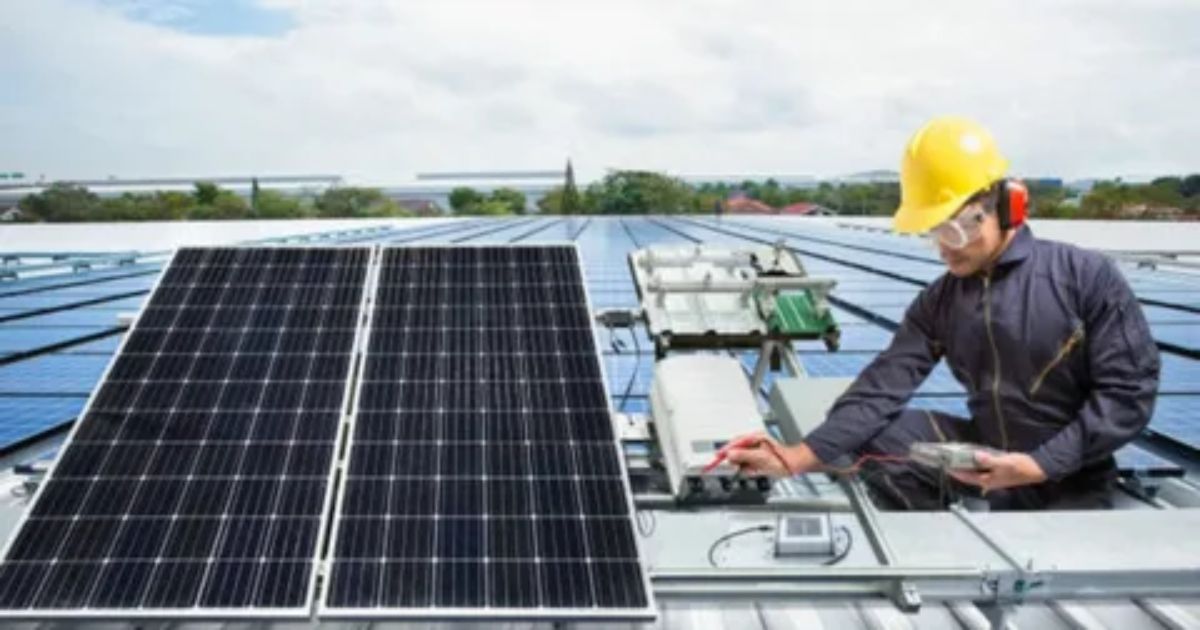
Another exciting development is integration with renewable energy sources, such as solar panels and battery storage systems. This allows users to not only optimize consumption but also manage energy production and storage.
As smart cities become more prevalent, Wattios could play a role in grid-level optimization, helping balance supply and demand on a larger scale. This would extend its impact beyond individual users to entire communities.
Conclusion
Wattios represents a shift in how we think about energy, from something passive and invisible to something interactive, intelligent, and controllable. By combining real-time monitoring, automation, and advanced analytics, it offers a comprehensive solution for both individuals and businesses.
The real strength of Wattios lies in its ability to make complex technology feel simple and accessible. It doesn’t just provide data; it provides clarity and control. Whether your goal is to save money, reduce your environmental impact, or simply understand your energy usage better, Wattios delivers on all fronts.
FAQ’s
Is Wattios suitable for small homes?
Yes, Wattios is highly scalable and works well for small homes, apartments, and larger properties alike.
Can Wattios reduce electricity bills significantly?
Many users report savings between 10% and 30%, depending on their usage patterns and system setup.
Does Wattios require professional installation?
Not always. While many setups are DIY-friendly, professional installation is recommended for complex systems.
Is Wattios compatible with smart home devices?
Yes, it integrates with a wide range of IoT devices, enhancing automation and efficiency.
Does Wattios work with renewable energy systems?
Yes, it can integrate with solar panels and other renewable solutions for optimized energy management.
Read More: Poieno: Uses and Modern Relevance