
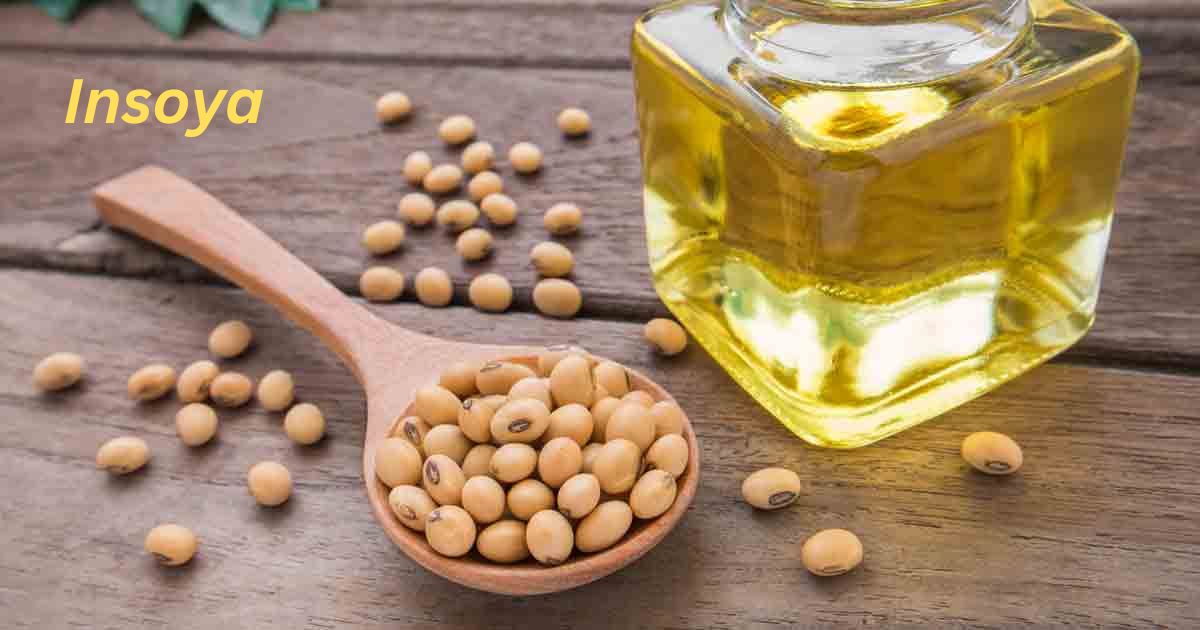
When you first hear the term Insoya, it might sound like just another health trend riding the wave of plant-based nutrition. But there’s more depth to it than meets the eye. Insoya refers to a modern interpretation or enhanced form of soy-based nutrition products that are designed to offer higher bioavailability, improved taste, and better digestibility compared to traditional soy derivatives. Think of it as soy 2.0, refined, optimized, and tailored for modern lifestyles.
The origins of Insoya can be traced back to the growing demand for clean, plant-based protein sources that don’t compromise on taste or nutrition. As people started shifting away from heavily processed foods and animal-based proteins, innovators began rethinking how soy could be reintroduced in a more appealing and functional way. That’s where Insoya comes in, combining traditional soy benefits with modern food science.
Why Insoya Is Gaining Popularity
So, why is everyone suddenly talking about Insoya? The answer lies in a mix of health awareness, environmental concerns, and evolving dietary preferences. People are no longer just eating to feel full, they’re eating to feel better, live longer, and reduce their environmental footprint.
Insoya fits perfectly into this shift. It’s plant-based, sustainable, and packed with nutrients, making it a go-to option for those who want to make smarter food choices without sacrificing flavor or variety. According to recent food industry insights, plant-based food consumption has grown by over 27% globally in the last few years, and products like Insoya are leading that surge.
Nutritional Profile of Insoya
Macronutrients Breakdown
Let’s get into the real meat of the matter, nutrition. One of the biggest reasons Insoya is gaining traction is its impressive macronutrient profile. If you’ve ever struggled to find a plant-based option that doesn’t skimp on protein, Insoya might just be your answer.
Typically, Insoya products are rich in plant-based protein, often delivering around 20–30 grams per serving depending on the formulation. That’s comparable to many animal-based protein sources, which is pretty remarkable. For anyone trying to build muscle, maintain energy levels, or simply stay full longer, this is a huge advantage.
Essential Vitamins and Minerals
Beyond macronutrients, Insoya also shines in its micronutrient content. It’s often fortified or naturally rich in essential vitamins and minerals that your body needs to function optimally. We’re talking about nutrients like calcium, iron, magnesium, and B vitamins, all crucial for maintaining overall health.
Calcium is particularly important, especially for those who don’t consume dairy. Insoya-based products often serve as an excellent alternative, helping support bone health without relying on traditional milk sources. Iron is another key component, aiding in oxygen transport and preventing fatigue, a common issue for those on plant-based diets.
Health Benefits of Insoya
Supports Heart Health
When it comes to protecting your heart, what you eat plays a bigger role than most people realize. The stands out as a heart-friendly option because of its unique nutritional composition, especially its balance of protein, fiber, and healthy fats. Unlike many animal-based protein sources that can be high in saturated fat, Insoya typically contains unsaturated fats, which are known to support cardiovascular health. These good fats help reduce LDL (bad cholesterol) levels while maintaining or even increasing HDL (good cholesterol), creating a healthier lipid profile overall.
Another important factor is the presence of isoflavones, naturally occurring compounds found in soy. Studies suggest that isoflavones may help improve blood vessel function and reduce inflammation, both of which are critical for maintaining a healthy heart. Think of them as tiny helpers working behind the scenes to keep your arteries flexible and your blood flowing smoothly.
Boosts Digestive System
A healthy digestive system is the foundation of overall well-being, and this is another area where Insoya truly shines. Many people struggle with digestive issues due to low fiber intake, processed foods, and irregular eating habits. This offers a natural way to support gut health without complicated dietary changes.
One of the key benefits comes from its dietary fiber content, which helps regulate bowel movements and prevent constipation. Fiber acts like a gentle broom, sweeping through your digestive tract and keeping things moving smoothly. But it doesn’t stop there, fiber also feeds beneficial gut bacteria, promoting a balanced microbiome. A healthy gut microbiome is linked to better digestion, improved immunity, and even enhanced mood.
Aids in Weight Management
Managing weight isn’t just about cutting calories, it’s about making smarter food choices that keep you satisfied and energized. This is where Insoya becomes a valuable ally. Its high protein and fiber content work together to create a sense of fullness that lasts longer, helping you avoid unnecessary snacking and overeating.
Protein is known for its ability to increase satiety, and Insoya delivers a substantial amount without the added fats often found in animal-based proteins. When you feel full, you’re less likely to reach for unhealthy snacks, which can make a significant difference over time. It’s like having a natural appetite control system built into your meals.
Insoya vs Traditional Soy Products
Key Differences
At first glance, Insoya and traditional soy products might seem almost identical. After all, they both originate from soybeans. But when you dig a little deeper, the differences become quite clear, and they matter more than you might think.
One of the biggest distinctions lies in processing techniques. Traditional soy products like tofu, soy milk, and tempeh have been around for centuries and are often made using conventional methods. While they’re still nutritious, they may contain anti-nutrients like phytates that can interfere with mineral absorption. Insoya, on the other hand, is typically processed using advanced techniques that reduce these compounds, making nutrients more bioavailable.
Another key difference is taste and texture. Let’s be honest, traditional soy isn’t everyone’s favorite. Some people find it bland or slightly bitter. Insoya products are often formulated to have a smoother taste and more appealing texture, making them easier to incorporate into everyday meals without compromising on flavor.
Which One Is Better?
So, which is better, Insoya or traditional soy? The answer isn’t as straightforward as you might expect. It really depends on your lifestyle, preferences, and nutritional goals.
If you value tradition and prefer minimally processed foods, traditional soy products still hold their ground. They’ve been a staple in many cultures for generations and offer a natural, wholesome option. However, they may require more preparation and might not always deliver the same level of convenience or nutrient optimization.
Insoya, on the other hand, is ideal for those who want efficiency and modern convenience. It’s designed to fit seamlessly into busy lifestyles, offering a quick and reliable source of nutrition without compromising on quality. For athletes, professionals, or anyone with limited time, this can be a game-changer.
Here’s a quick comparison:
| Feature | Insoya | Traditional Soy |
| Processing | Advanced, optimized | Conventional |
| Nutrient Absorption | High | Moderate |
| Taste | Enhanced | Natural/variable |
| Convenience | High | Moderate |
| Customization | Often fortified | Limited |
Ultimately, it’s not about choosing one over the other, it’s about finding what works best for you. Some people even combine both, enjoying the benefits of tradition and innovation in their diet.
How to Use Insoya in Daily Life
Cooking with Insoya
Bringing Insoya into your daily meals doesn’t require a complete kitchen overhaul. In fact, one of its biggest strengths is how effortlessly it blends into foods you’re already familiar with. Whether you’re someone who enjoys cooking from scratch or prefers quick, no-fuss meals, The adapts to your routine like it’s always belonged there. Think of it as a flexible ingredient that quietly upgrades the nutritional value of whatever you’re making.
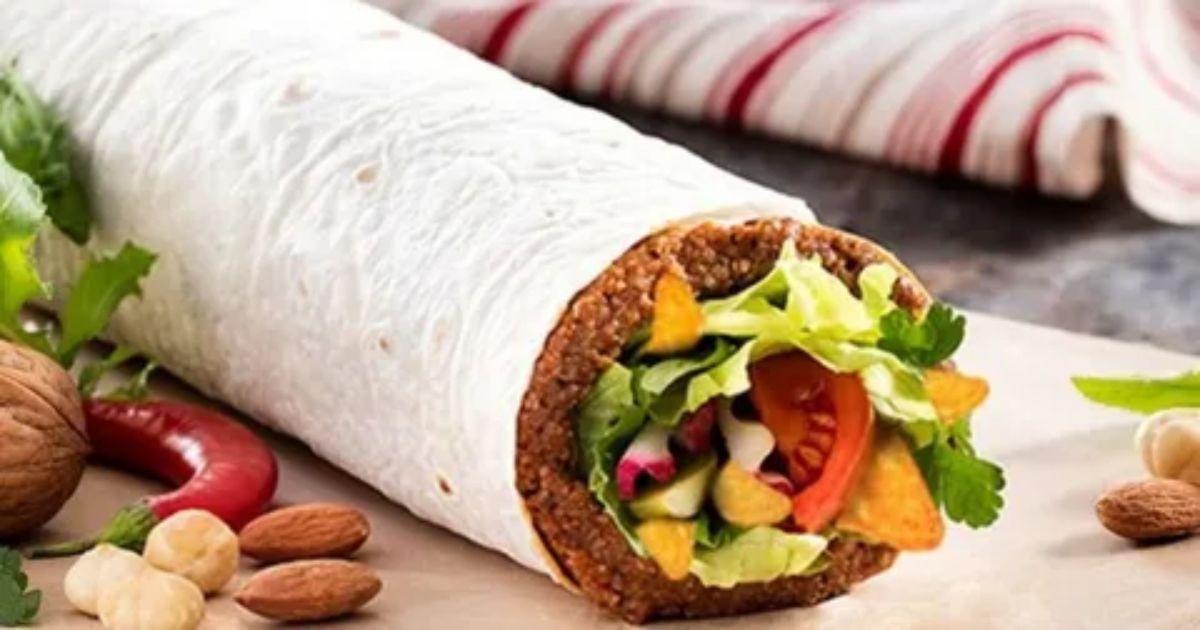
In cooking, Insoya can be used in multiple forms, powder, granules, or liquid-based derivatives. For example, you can mix this powder into pancake batter, soups, or sauces without drastically altering the taste. It thickens textures slightly while boosting protein content, which is a win-win situation. If you enjoy savory dishes, Insoya granules can act as a plant-based substitute for minced meat in recipes like tacos, pasta sauces, or stuffed vegetables. The texture is surprisingly satisfying, and when seasoned well, it’s hard to tell the difference.
Insoya in Beverages and Smoothies
If cooking isn’t your thing or you’re always on the go, Insoya beverages and smoothies might be your best entry point. This is where convenience truly meets nutrition. Adding this to your drinks is one of the simplest ways to increase your protein and nutrient intake without overthinking your diet.
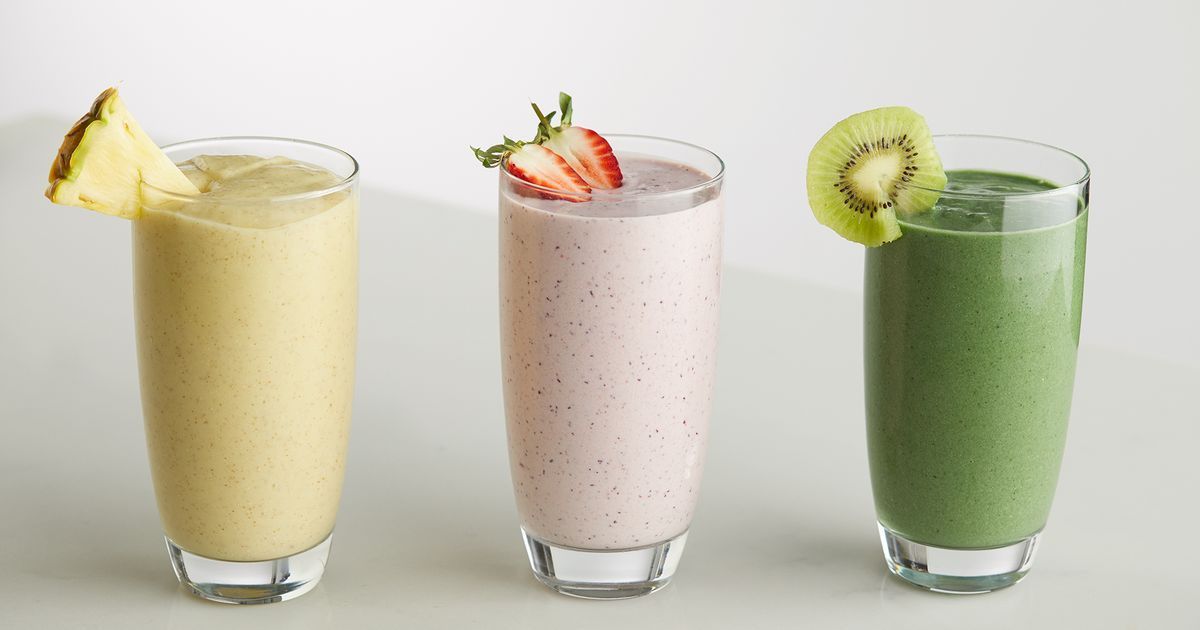
A typical smoothie with Insoya can be as simple or as elaborate as you like. Blend it with fruits like bananas, berries, or mangoes, add a liquid base like almond milk or water, and you’ve got yourself a nutrient-packed drink in under five minutes. The beauty of it is that you can customize it endlessly, want more energy? Add oats. Need a post-workout boost? Throw in some peanut butter. Trying to cut sugar? Stick to low-glycemic fruits and greens.
Insoya for Different Diets
Vegan and Plant-Based Diets
For anyone following a vegan or plant-based lifestyle, finding reliable sources of high-quality protein can sometimes feel like solving a puzzle. This is where it’s naturally fits in, almost like it was designed with plant-based eaters in mind. It provides a complete or near-complete amino acid profile, which is something not all plant proteins can claim.
One of the biggest challenges in vegan diets is ensuring adequate intake of nutrients like iron, calcium, and vitamin B-complex. Many Insoya products are either naturally rich in these nutrients or fortified to meet daily requirements. This makes it easier to maintain a balanced diet without relying heavily on supplements.
Fitness and High-Protein Diets
If you’re into fitness or following a high-protein diet, chances are you’ve spent a fair amount of time looking for protein sources that are both effective and convenient. Insoya checks both boxes, making it a strong contender in the world of sports nutrition.
Protein is essential for muscle repair, recovery, and growth, and this delivers it in a form that’s easy to digest and absorb. This is particularly important after workouts, when your body is primed to take in nutrients and rebuild muscle tissue. A quick Insoya shake post-exercise can help kickstart that recovery process without the heaviness that sometimes comes with other protein sources.
Potential Side Effects of Insoya
Allergies and Sensitivities
While Insoya offers a wide range of health benefits, it’s important to approach it with a balanced perspective. Not every food works perfectly for every person, and soy-based products, including Insoya, can trigger allergic reactions or sensitivities in some individuals. Soy is considered one of the common food allergens, and although severe reactions are relatively rare, they shouldn’t be ignored.
Symptoms of soy allergy can range from mild to more noticeable, including itching, swelling, digestive discomfort, or even respiratory issues in extreme cases. If you’ve previously reacted to soy products like tofu, soy milk, or edamame, there’s a strong chance you might respond similarly to Insoya. In such situations, it’s better to proceed cautiously or consult a healthcare professional before adding it to your diet.
Safe Consumption Guidelines
When it comes to incorporating Insoya into your routine, moderation and balance are your best allies. Just because something is healthy doesn’t mean more is always better. Like any nutrient-rich food, Insoya should be consumed as part of a varied and well-rounded diet.
A practical starting point is to follow the serving recommendations provided on the product packaging. Most Insoya-based products are designed to deliver optimal nutrition within specific portion sizes, so sticking to those guidelines helps you avoid overconsumption. For example, one or two servings per day is generally sufficient to enjoy its benefits without overloading your system.
Buying Guide for Insoya
What to Look For
Walking into the world of Insoya products can feel a bit overwhelming at first, especially with so many options on the market. Not all products are created equal, and knowing what to look for can make a significant difference in both quality and results.
One of the first things to check is the ingredient list. A high-quality Insoya product should have minimal additives and avoid unnecessary fillers, artificial flavors, or excessive sugar. The simpler and cleaner the ingredient list, the better. You want a product that delivers nutrition without hidden extras that dilute its benefits.
Protein content is another critical factor. Look for products that clearly state the amount of protein per serving, ideally in the range of 20–30 grams if you’re using it as a primary protein source. This ensures you’re getting real value rather than just a diluted version of what Insoya can offer.
Best Places to Buy
Finding reliable sources for Insoya is just as important as choosing the right product. With the rise of online shopping, you now have access to a wide variety of brands and options at your fingertips. E-commerce platforms often provide detailed product descriptions, customer reviews, and ratings, which can help you make an informed decision.
Health food stores and specialty nutrition shops are also excellent places to explore. These stores typically carry curated selections of high-quality products and may even have knowledgeable staff who can guide you based on your needs. It’s a more personalized shopping experience compared to browsing online.
Future of Insoya in Nutrition Industry
The trajectory of Insoya in the nutrition industry looks incredibly promising, and it’s not hard to see why. As consumer preferences continue shifting toward healthier, more sustainable food options, products like Insoya are positioned right at the center of this transformation. It’s not just a passing trend, it’s part of a larger movement toward smarter eating.
One of the most exciting aspects is ongoing innovation. Food scientists and nutrition experts are constantly exploring new ways to enhance Insoya, from improving its taste and texture to increasing its nutritional value. This means the products you see today are just the beginning. Future versions could be even more efficient, more personalized, and more aligned with individual health goals.
Conclusion
Insoya has quickly emerged as a powerful player in the world of modern nutrition, blending the benefits of traditional soy with advanced processing and innovation. From its impressive nutritional profile to its versatility in everyday meals,
It offers a practical solution for anyone looking to improve their diet without unnecessary complexity. Whether your goal is better health, weight management, or simply more convenient meal options, Insoya provides a flexible and effective path forward.
As the demand for plant-based and functional foods continues to rise, Insoya is set to play an even bigger role in shaping how we think about nutrition. It’s not about replacing everything you eat, but about enhancing your choices in a way that feels natural and sustainable.
FAQ’s
Is Insoya suitable for daily consumption?
Yes, Insoya can be consumed daily as part of a balanced diet. Sticking to recommended serving sizes ensures you receive its nutritional benefits without overconsumption.
Can Insoya help with muscle building?
Absolutely. Its high protein content makes it an excellent option for muscle repair and growth, especially when combined with regular exercise.
Is Insoya better than whey protein?
It depends on your dietary preferences. Insoya is plant-based and easier to digest for some people, while whey is animal-based and may have a slightly higher biological value.
Does Insoya contain allergens?
Since it is derived from soy, it may trigger allergies in individuals sensitive to soy products. Always check labels and consult a professional if unsure.
How quickly can I see results after using Insoya?
Results vary depending on your diet and lifestyle, but many people notice improved energy levels and satiety within a few weeks of consistent use.
Read More: Albfilm24 – This Streaming Platform in 2026