
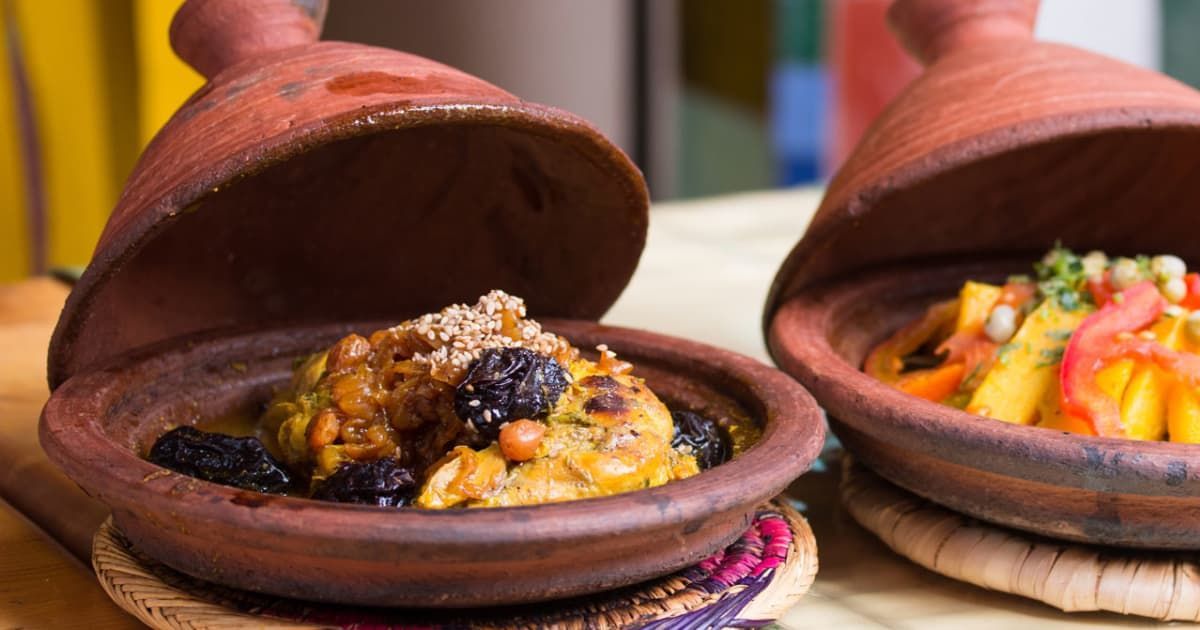
Kouskousi is more than just a dish, it’s a story served on a plate. Deeply rooted in North African culinary traditions, particularly in countries like Morocco, Algeria, and Tunisia, kouskousi represents heritage, family, and community. If you’ve ever walked into a home where kouskousi is being prepared, you’ll instantly notice something special: the aroma of spices dancing through the air, the warmth of shared cooking, and the sense that this isn’t just food, it’s an experience.
Traditionally, kouskousi is prepared during important gatherings such as weddings, religious celebrations, and Friday family meals. It carries symbolic meaning as well. In many cultures, it signifies unity and prosperity because it is often served in a large communal dish where everyone gathers around and eats together. That shared experience builds bonds that go beyond the meal itself.
What makes kouskousi particularly fascinating is how it reflects the geography and history of North Africa. The use of semolina wheat, slow-cooked vegetables, and spiced broths shows a blend of Berber, Arab, and Mediterranean influences. Over centuries, each region added its own twist, making kouskousi a diverse yet recognizable staple.
How Kouskousi Differs from Couscous?
At first glance, you might think kouskousi and couscous are identical. After all, the names sound similar, and both involve semolina grains. But here’s where things get interesting, kouskousi isn’t just a variation; it’s often considered the original concept behind what many now call couscous.
The key difference lies in preparation and cultural context. Couscous, as widely known today, is often pre-steamed and processed, making it quick and convenient to cook. Kouskousi, on the other hand, is traditionally hand-rolled and steamed multiple times, resulting in a richer texture and deeper flavor. It’s slower, more deliberate, and far more artisanal.
History of Kouskousi
To understand kouskousi, you have to travel back in time, way back. Historians trace its origins to the Berber people of North Africa as early as the 7th century. Some archaeological evidence even suggests that similar dishes existed before that, making kouskousi one of the oldest known prepared grain meals in human history.
Imagine ancient communities gathering around clay pots, steaming semolina over simmering broths. That basic technique, simple yet ingenious, laid the foundation for what would become kouskousi. It wasn’t just about sustenance; it was about making the most of available resources. Wheat was abundant, and steaming allowed for efficient cooking while preserving nutrients.
Evolution Across Regions
As kouskousi spread, it adapted and that’s where things get really interesting. In Morocco, for example, you’ll often find sweeter variations that include caramelized onions and raisins. In Algeria, the dish might lean more toward spicy and hearty, with generous portions of meat and vegetables. Tunisia adds its own punch with harissa, a chili paste that brings heat and depth.
This regional diversity shows how flexible kouskousi is. It’s like a blank canvas that welcomes creativity while still honoring tradition. Over time, even European countries like France adopted and adapted the dish, especially due to migration and cultural exchange.
Ingredients Used in Kouskousi
Core Ingredients Explained
At its heart, kouskousi is beautifully simple, relying on a handful of staple ingredients that come together to create something far greater than the sum of their parts. The star of the dish is semolina, coarsely ground durum wheat that forms the iconic grains. Unlike instant couscous you might find in supermarkets, traditional kouskousi uses hand-rolled semolina, which gives it a slightly uneven texture that absorbs flavors more deeply. That texture is what makes every bite feel substantial and satisfying rather than light and fluffy.
Water and a touch of olive oil are essential during preparation, helping to shape and steam the grains to perfection. Then comes the broth, which is where the magic really happens. A slow-simmered base typically includes onions, tomatoes, garlic, and a blend of spices such as cumin, turmeric, ginger, and black pepper. These ingredients don’t just add flavor, they create a layered, aromatic experience that defines authentic kouskousi.
Optional Additions and Variations
While the core ingredients set the foundation, kouskousi truly shines in its versatility. Depending on the region, season, or personal preference, cooks often introduce additional elements that elevate the dish in unique ways. For instance, dried fruits like raisins or apricots can add a subtle sweetness that contrasts beautifully with the savory broth. This is especially popular in Moroccan-style kouskousi, where balancing sweet and savory flavors is a hallmark.
Spices can also vary widely. Some recipes incorporate cinnamon or saffron for a more aromatic profile, while others lean into bold flavors with paprika or chili. If you enjoy a bit of heat, adding harissa, a spicy chili paste, can completely transform the dish into something fiery and unforgettable.
Protein choices are another area where creativity comes into play. Beyond lamb and chicken, you might find beef, fish, or even plant-based alternatives like lentils and tofu. Vegetarian versions are particularly popular today, offering a lighter yet equally satisfying option.
Here’s a quick comparison of common variations:
| Variation Type | Key Additions | Flavor Profile |
| Moroccan Style | Raisins, cinnamon | Sweet and aromatic |
| Algerian Style | Chickpeas, lamb | Hearty and savory |
| Tunisian Style | Harissa, seafood | Spicy and bold |
| Vegetarian | Lentils, extra veggies | Fresh and balanced |
These variations highlight how adaptable kouskousi is. Whether you prefer something rich and indulgent or light and plant-based, there’s a version that fits your taste perfectly.
Nutritional Value of Kouskousi
Health Benefits
Kouskousi isn’t just comforting, it’s surprisingly nutritious when prepared with balanced ingredients. At its core, semolina provides a good source of complex carbohydrates, which means it delivers steady energy rather than quick spikes and crashes. This makes it an excellent option for sustained energy throughout the day, especially if you lead an active lifestyle.
The inclusion of vegetables significantly boosts the dish’s nutritional profile. Carrots bring beta-carotene, zucchini adds hydration and fiber, and chickpeas contribute plant-based protein along with essential minerals like iron and magnesium. When combined, these ingredients create a meal that supports digestion, immune health, and overall well-being.
If you include lean meats like chicken, you’re also adding high-quality protein that helps with muscle repair and growth. Even vegetarian versions can be protein-rich when legumes are included. Olive oil, often used in preparation, provides healthy fats that support heart health and enhance nutrient absorption.
Calories and Macronutrient Breakdown
Understanding what’s in your food helps you make better choices, and kouskousi offers a well-rounded nutritional profile. While exact values vary depending on ingredients, a typical serving of kouskousi with vegetables and chicken provides a balanced mix of macronutrients.
Here’s an approximate breakdown:
| Nutrient | Amount per Serving |
| Calories | 350–500 kcal |
| Carbohydrates | 50–70 g |
| Protein | 15–25 g |
| Fat | 8–15 g |
| Fiber | 6–10 g |
The carbohydrate content comes mainly from semolina, offering sustained energy. Protein levels depend on whether meat or legumes are included, while fats are typically derived from olive oil and any added meat.
One of the standout features is the fiber content, especially when plenty of vegetables and chickpeas are used. Fiber plays a crucial role in digestion and can help you feel fuller for longer, which is beneficial if you’re managing your weight.
Compared to many processed meals, kouskousi is relatively low in unhealthy fats and additives. It’s a dish that aligns well with clean eating principles while still delivering rich, satisfying flavors. When you look at the numbers, it’s clear that kouskousi isn’t just a treat, it’s a smart choice for balanced nutrition.
How to Make Kouskousi at Home
Step-by-Step Preparation Guide
Making kouskousi at home might sound intimidating at first, especially if you’ve only ever had the quick, instant version of couscous. But once you understand the rhythm of the process, it becomes almost therapeutic. Think of it less like cooking and more like crafting something meaningful with your hands. The traditional method uses a steamer called a couscoussier, but you can adapt with modern kitchen tools if needed.
You begin with the semolina. Place it in a wide bowl, sprinkle it lightly with water, and gently rub the grains between your fingers. This step is crucial, it separates the grains and prevents clumping. A drizzle of olive oil helps coat them, giving that signature light texture. After this, the grains are steamed for the first time over a simmering pot of broth. This broth is already infused with onions, spices, and sometimes meat, so the grains start absorbing flavor immediately.
Common Cooking Mistakes to Avoid
Even though kouskousi is forgiving, there are a few common pitfalls that can make the difference between a good dish and a great one. The first mistake many people make is over-wetting the semolina. It might seem like adding more water will make it softer, but it actually leads to clumping, which ruins the texture. The goal is light hydration, not soaking.
Another issue is skipping the multiple steaming steps. It’s tempting to rush, especially when you’re hungry, but those repeated steamings are what build flavor and texture. Without them, the grains can feel flat and underwhelming. Patience really pays off here.
Popular Kouskousi Variations
Regional Styles
One of the most fascinating things about kouskousi is how it changes as you move from one region to another. It’s like hearing different dialects of the same language, recognizable, yet distinct. In Morocco, for example, kouskousi often leans toward a slightly sweet profile. You’ll find caramelized onions, raisins, and even a hint of cinnamon woven into the dish, creating a balance that feels both comforting and complex.
Algerian kouskousi, on the other hand, tends to be heartier. It’s all about bold flavors and generous portions. Chickpeas, lamb, and a rich, savory broth define this style. The emphasis is on depth and substance, making it a meal that truly satisfies.
Then there’s Tunisia, where things take a spicier turn. Harissa, a chili-based paste, is often added, giving the dish a fiery kick. Seafood variations are also more common here, reflecting the country’s coastal influences. The result is a version of kouskousi that feels vibrant and intense.
Modern Twists and Fusion Recipes
As global cuisine continues to evolve, kouskousi has found its way into modern kitchens far beyond North Africa. Chefs and home cooks alike are experimenting with new ingredients and techniques, creating fusion versions that blend tradition with innovation.
You might come across a vegan kouskousi loaded with roasted vegetables, chickpeas, and a lemon-tahini dressing. Or perhaps a Mediterranean-inspired version with feta cheese, olives, and grilled fish. Some even incorporate Asian flavors, adding soy sauce or ginger for a completely different twist.
These modern takes don’t replace traditional kouskousi, they expand its possibilities. They make the dish accessible to a wider audience while keeping its essence intact. It’s proof that good food doesn’t have to stay frozen in time; it can grow and adapt while still honoring its roots.
Best Occasions to Serve Kouskousi
Traditional Celebrations
In many North African cultures, kouskousi is deeply tied to celebration and community. It’s not just a meal you throw together on a random weekday, it’s something you prepare with intention. Weddings, religious holidays like Eid, and family gatherings often feature kouskousi as the centerpiece.
There’s a reason for this. The process of making kouskousi is time-consuming, often involving multiple people working together. That collaborative effort turns cooking into a social event. By the time the dish is ready, everyone has already shared part of the experience.
Everyday Meals
While kouskousi shines during special occasions, it’s also perfectly suited for everyday life. In many households, it’s a weekly staple, especially on Fridays. It’s the kind of meal that brings comfort after a long week, a familiar taste that feels like home.
The beauty of kouskousi is that it can be scaled up or down. You can prepare a simpler version with fewer ingredients for a quick family dinner, or go all out when you have more time. Either way, it delivers that same sense of warmth and satisfaction.
Leftovers are another bonus. Kouskousi often tastes even better the next day as the flavors continue to meld. It’s practical without sacrificing quality, which is exactly what you want from a go-to meal.
In a world where fast food often dominates, kouskousi offers a reminder that slowing down, even just a little, can make food more meaningful.
Tips for Enhancing Flavor
Spices and Seasonings
If there’s one thing that separates an average plate of kouskousi from an unforgettable one, it’s how you handle the spices and seasonings. This dish thrives on depth, and that depth comes from layering flavors thoughtfully rather than dumping everything in at once. Think of spices as instruments in an orchestra, each one has its role, and when they work together, the result is harmony rather than noise.
Traditional kouskousi often includes a blend of cumin, turmeric, ginger, and black pepper. These spices create a warm, earthy base that defines the dish. But here’s where it gets interesting: the timing of when you add them matters just as much as the quantity. Adding spices early into the broth allows them to bloom and release their essential oils, which infuses the entire dish with aroma and flavor. On the other hand, a small pinch added toward the end can brighten and sharpen the final taste.
Fresh herbs like cilantro and parsley also play a crucial role. They add a burst of freshness that balances the richness of the broth and grains. A squeeze of lemon juice right before serving can elevate everything, cutting through the heaviness and tying all the flavors together.
Pairing Suggestions
Kouskousi is a complete meal on its own, but pairing it with the right sides and drinks can take the experience to another level. Think of it like building a story, each additional element adds context and richness without stealing the spotlight.
A simple side salad is often the perfect companion. Something light and crisp, like a tomato and cucumber salad with a lemon vinaigrette, provides contrast to the warm, hearty kouskousi. The freshness cuts through the richness and refreshes your palate between bites.
Bread is another classic pairing. In many North African households, crusty bread is used to scoop up the grains and soak in the flavorful broth. It’s practical and delicious, adding another layer of texture to the meal.
Kouskousi vs Other Similar Dishes
Couscous vs Kouskousi
It’s easy to assume that couscous and kouskousi are interchangeable, but once you dig a little deeper, the differences become clear and they matter more than you might think. While both share the same base ingredient, semolina, their preparation, texture, and cultural significance set them apart.
Couscous, especially the version commonly found in supermarkets, is often pre-steamed and dried. This makes it incredibly convenient, you just add hot water, wait a few minutes, and it’s ready. But convenience comes at a cost. The flavor is milder, and the texture is more uniform, lacking the character that defines traditional kouskousi.
Kouskousi, on the other hand, is all about the process. The grains are hand-rolled, steamed multiple times, and carefully fluffed between each step. This creates a texture that’s slightly irregular and far more interesting. It also allows the grains to absorb the broth deeply, resulting in a richer, more complex flavor.
Other Grain-Based Dishes Comparison
Kouskousi isn’t the only grain-based dish in the world, and comparing it to others can help highlight what makes it unique. From rice pilaf to quinoa bowls, many cultures have their own version of a hearty, grain-centered meal.
Here’s a quick comparison:
| Dish | Base Ingredient | Cooking Method | Flavor Profile |
| Kouskousi | Semolina | Steamed multiple times | Rich, spiced, layered |
| Rice Pilaf | Rice | Simmered in broth | Light, aromatic |
| Quinoa Bowl | Quinoa | Boiled | Nutty, fresh |
| Bulgur Wheat | Cracked wheat | Soaked or boiled | Mild, slightly chewy |
What sets kouskousi apart is its steaming process, which gives it a texture and flavor absorption that’s hard to replicate. Unlike boiled grains, which can sometimes become mushy or overly soft, steamed semolina retains its structure while still soaking up the broth.
Flavor-wise, kouskousi leans heavily on spices and slow cooking, creating a depth that simpler grain dishes often lack. It’s not just a base for toppings, it’s an integral part of the overall flavor experience.
At the same time, kouskousi shares a common thread with these dishes: comfort. No matter where you go in the world, there’s something universally satisfying about a warm, grain-based meal. Kouskousi just happens to bring its own unique flair to that tradition.
Conclusion
Kouskousi stands as a timeless dish that bridges history, culture, and flavor in a way few meals can. From its ancient North African roots to its modern adaptations across the globe, it continues to evolve while staying true to its essence. The combination of carefully steamed semolina, richly spiced broth, and a medley of vegetables and proteins creates a dish that feels both nourishing and deeply satisfying.
What makes kouskousi truly special isn’t just its taste, it’s the experience surrounding it. The process of preparing it, often shared among family members, turns cooking into a meaningful ritual. The act of serving it in a communal dish brings people together, reinforcing a sense of connection that goes beyond the table.
At the same time, its versatility ensures that it remains relevant in today’s fast-paced world. Whether you stick to traditional methods or experiment with modern twists, kouskousi adapts without losing its identity. It’s a dish that welcomes creativity while honoring its heritage.
FAQ’s
Is kouskousi the same as couscous?
Not exactly. While they share the same base ingredient, kouskousi is traditionally hand-prepared and steamed multiple times, giving it a richer flavor and texture compared to the more processed couscous.
Can kouskousi be made vegetarian?
Absolutely. By using a vegetable-based broth and adding ingredients like chickpeas, lentils, and a variety of vegetables, you can create a delicious vegetarian version.
What is the best meat for kouskousi?
Lamb and chicken are the most commonly used meats, but beef and even seafood can be used depending on regional preferences.
How long does it take to prepare kouskousi?
Traditional preparation can take a few hours due to multiple steaming steps, but quicker versions can be made in under an hour using pre-steamed couscous.
Is kouskousi healthy?
Yes, when made with balanced ingredients, it provides a good mix of carbohydrates, protein, fiber, and healthy fats, making it a nutritious meal option.
Read More: Lbythj: Meaning, Uses, and SEO Potential