
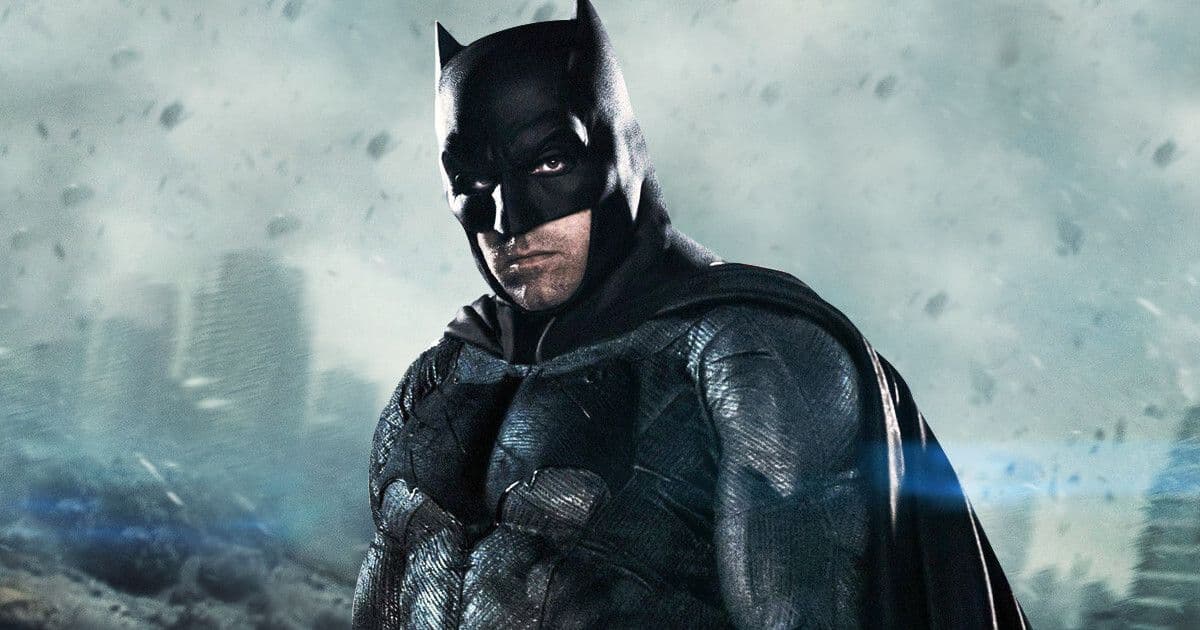
Batman has captured imaginations for over 85 years. He stands as one of the most enduring superheroes ever created. Unlike many heroes with superpowers, Bruce Wayne relies on his mind, body, training, and willpower. This makes him relatable to millions around the world.
People love it because he shows what a determined human can achieve. He fights crime in a dark, corrupt city while battling his own inner demons. Whether you are a longtime fan or just getting curious, this guide covers everything you need to know.
The Origins of Batman – How It All Began
Batman first appeared in Detective Comics 27 in May 1939. Bob Kane and Bill Finger created him. Kane gets most of the credit, but Finger shaped the character we recognize today – the detective, the dark costume, and the no-guns rule.
The story starts with young Bruce Wayne. He watches his parents get murdered in a Gotham alley. That trauma pushes him to become something more than just a rich playboy. He travels the world, trains his body and mind, and returns home to become the vigilante known as Batman.
Why this origin still works today: It feels real. Many of us have faced loss or unfairness. Batman channels pain into purpose. He does not have magic or alien powers. He has discipline, intelligence, and resources.
Who Is Bruce Wayne? The Man Behind the Mask
Bruce Wayne is a billionaire orphan running Wayne Enterprises. By day, he plays the charming but sometimes reckless socialite. At night, he becomes Batman.
He lives in Wayne Manor with his butler Alfred Pennyworth, who serves as father figure, medic, and moral compass. Bruce surrounds himself with a family of sorts – Robins, Batgirls, and other allies – even though he often keeps people at a distance.
Real example: Think of a successful CEO who works 18-hour days. Bruce applies that same intensity to justice. His wealth funds the Batcave, gadgets, and training facilities. But money alone does not make him effective. Preparation and strategy do.
Key Batman Allies and Supporting Characters
The rarely works completely alone. His network makes him stronger.
Alfred Pennyworth: The heart of the operation. He patches Bruce up and offers honest advice.
Robin: Multiple characters have worn the cape. Dick Grayson (Nightwing) brings hope and acrobatics. Jason Todd adds edge. Tim Drake is the detective. Damian Wayne brings assassin skills.
Commissioner James Gordon: The honest cop in a dirty city. Their rooftop meetings are iconic.
Batgirl and Oracle: Strong female characters who bring tech skills and combat prowess.
Catwoman (Selina Kyle): The on-again, off-again love interest who operates in moral gray areas.
These relationships show Batman’s growth. He learns to trust and mentor others over time.
Iconic Villains That Define the Dark Knight
Batman’s rogues gallery stands among the best in comics.
The Joker: Chaos personified. He wants to prove that anyone can break under the right pressure. Heath Ledger’s version in The Dark Knight remains unforgettable.
Two-Face (Harvey Dent): A fallen friend who represents duality and lost potential.
The Riddler: A genius who loves puzzles and public humiliation.
Ra’s al Ghul and Bane: Physical and philosophical threats who challenge Batman’s limits.
Penguin, Scarecrow, Mr. Freeze: Each brings unique motives and methods.
These villains often mirror aspects of Bruce himself. The Joker shows what Bruce could become without his code. Bane tests his body and will.
Must-Read Batman Comics and Graphic Novels
Competitor articles often give shallow overviews. Here is a deeper, practical list with why they matter.
Year One (Frank Miller & David Mazzucchelli): The best starting point. It shows Bruce’s first year as a vigilante and Gordon’s rise.
The Dark Knight Returns (Frank Miller): An older that comes out of retirement. It influenced modern gritty storytelling.
The Killing Joke (Alan Moore): A controversial but powerful Joker story focused on one bad day.
The Long Halloween (Jeph Loeb & Tim Sale): A crime noir mystery with the entire rogue’s gallery. Perfect for fans of detective work.
Court of Owls (Scott Snyder): Modern classic that introduces a secret society controlling Gotham.
Hush (Jeph Loeb & Jim Lee): A who’s-who mystery with beautiful art.
Start with *Year One* if you are new. These stories explore themes of justice, trauma, and redemption better than many movies.
Batman on the Big Screen – Evolution Across Eras
Batman movies reflect their times.
1960s Camp Era: Adam West’s colorful, fun TV show and movie. Pure entertainment.
Tim Burton’s Gothic Style (1989-1992): Michael Keaton brought dark charm. Jack Nicholson’s Joker defined the villain for a generation.
Joel Schumacher’s Bright Era (1995-1997): Batma Forever and Batman & Robin went colorful and toyetic. They have fun moments but felt lighter.
Christopher Nolan’s Dark Knight Trilogy (2005-2012): Christian Bale grounded the character in realism. The Dark Knight with Heath Ledger is often called one of the best superhero films ever.
The Batman (2022): Robert Pattinson plays a younger, detective-focused Batman. Matt Reeves delivered a moody noir thriller with amazing action.
Upcoming: “The Batman Part II” continues Pattinson’s story. James Gunn’s DCU plans “The Brave and the Bold” with a father-son focus on Batman and Damian Wayne.
Each version adds something new. Burton gave style. Nolan gave realism. Reeves emphasizes detective skills.
Batman in Animation and Video Games – Hidden Gems Many Miss
Animation often delivers the purest this stories. “Batman: The Animated Series” (1990s) remains a masterpiece with its art style, voice acting (Kevin Conroy), and mature themes.
Batman: Mask of the Phantasm offers a great standalone movie.
Video games like the “Arkham” series (especially Arkham Asylum and Arkham City) let you feel like Batman. Free-flow combat, detective mode, and great stories make them essential.
Content Gaps Competitors Miss – Deeper Themes and Real-World Impact
Many quick articles focus only on movies or basic facts. They miss why Batman endures.
Mental Health Angle: Bruce deals with PTSD and survivor’s guilt. He channels it productively but sometimes isolates himself. Modern stories explore therapy, found family, and breaking cycles of violence.
Symbolism: The bat represents fear used against criminals. The “no-kill” rule defines his morality – he believes in redemption and justice systems, even when flawed.
Social Commentary: Gotham mirrors real cities with inequality, corruption, and crime. This stories often ask: Can one person fix a broken system? What is the cost of vigilantism?
Diversity and Evolution: Recent stories feature more inclusive characters and explore Bruce’s privilege and responsibilities.
Practical tip: If you want to understand to deeply, read comics alongside watching films. They feed each other.
Actionable Tips for New Fans – How to Get Started Today
Start Simple: Watch The Batman (2022) or Batman Begins. Then read Year One.
Build Your Collection: Buy trade paperbacks instead of single issues. They are cheaper and easier.
Join Communities: Reddit’s r/batman or r/DCcomics offers great discussions without spoilers if you ask.
Explore by Interest: Love detective stories? Try The Long Halloween. Prefer action? Play Arkham games.
Budget-Friendly: Many classics appear on DC Universe Infinite app or public libraries.
Common Questions People Ask After Reading Basic Articles
People often wonder about Batman’s future, his relationships, or how he compares to other heroes. This guide fills those gaps with context from comics, films, and themes.
Conclusion
Batman continues to evolve while staying true to his core. He is a symbol of hope through darkness, intelligence over brute force, and perseverance after tragedy. Whether you enjoy the comics’ depth, movies’ spectacle, or games’ immersion, there is a version for everyone.
The Dark Knight reminds us that we all have the power to fight our own battles and protect what matters. What draws you most to Batman? The gadgets, the detective work, or the human struggle? Dive in and find your favorite era or story.
FAQ’s
Who created Batman?
Bob Kane and Bill Finger created him in 1939 for DC Comics. Finger contributed hugely to the character’s personality and supporting cast.
Why doesn’t Batman kill his enemies?
He believes in justice and redemption. Killing would make him no better than the criminals he fights. It is his strict moral code.
What is the best Batman movie for beginners?
The Batman (2022) or Batman Begins. Both introduce the character well without needing prior knowledge.
How many Robins have there been?
At least four main ones: Dick Grayson, Jason Todd, Tim Drake, and Damian Wayne. Each brings something different to the role.
Is Batman a superhero without powers?
Yes. He uses peak human conditioning, intellect, wealth, and technology. His “power” is preparation and unbreakable will.
Read More: What Is Sodziu? Guide to Lithuania’s Charming Rural Homesteads