
A sucker punch hits you when you least expect it. Someone distracts you, acts friendly, or waits until your guard drops, then strikes without warning. It feels unfair because it gives you no chance to prepare or defend yourself.
People use the term in fights, sports, and everyday life. It describes a sudden betrayal or surprise setback too. You might hear someone say a job loss or bad news “sucker punched” them. The idea stays the same: it catches you off guard.
This article breaks it down clearly. You will learn the meaning, history, real dangers, legal side, self-defense tips, and how the term inspired a bold movie. By the end, you will know how to spot trouble and protect yourself better.
The Straight Definition and Everyday Use
A sucker punch is an unexpected punch thrown without provocation or warning. The victim has no time to react, dodge, or block. It often involves deception, like talking calmly then swinging, or hitting from the side or behind.
Synonyms include cheap shot, coward punch, king-hit (in Australia), or one-punch attack. In boxing, it is illegal. Fighters must not hit “on the break” after a clinch or when the opponent drops their hands.
In daily life, people call any unfair surprise a sucker punch. A business partner who smiles then steals clients. A friend who gossips behind your back. Or a sudden policy change at work that hurts everyone. The emotional impact feels just as jarring as a physical hit.
Real example: Two guys argue in a bar. One says “forget it” and offers a handshake. As the other reaches out, the first guy punches him. That is a classic sucker punch, using fake peace to create an opening.
Where the Term Comes From
The phrase sucker punch dates back to at least the 1920s in American English. Sucker means a gullible person, someone easy to fool. Combine that with a punch, and you get a blow that tricks the victim.
Boxing helped popularize it. Greats like Jack Dempsey called certain unexpected leads a sucker punch. By the mid-1900s, it spread beyond sports into general slang for any surprise attack or setback.
Today it appears in news, movies, sports commentary, and conversations worldwide. In Australia and New Zealand, coward punch highlights the unfairness and has driven strong public campaigns.
The Deadly Reality: One-Punch Attacks
A single punch can kill. When someone falls and hits their head on concrete, the impact causes traumatic brain injury. Many victims never see it coming, and some never wake up.
Australia faced a wave of these attacks around 2012-2014. High-profile deaths of young men like Thomas Kelly led to the “coward punch” campaign. Governments responded with tougher laws.
Similar concerns exist elsewhere. In the US, locker-room incidents and street fights make headlines. MMA fighters have called for stronger rules and awareness after tragic cases.
Alcohol often plays a role. It lowers inhibitions and impairs judgment on both sides, making attackers bolder and victims slower to react.
Laws and Consequences Around the World
Many places now treat one-punch kills more seriously:
Australia: States like New South Wales, Queensland, and Victoria introduced minimum sentences (8-15 years) for fatal “coward punch” assaults, especially when alcohol or drugs are involved.
New Zealand: Discussions and proposed bills continue, with support from fighters like Israel Adesanya.
United States: Standard assault or manslaughter charges apply, but public outrage often pushes for harsher penalties in high-profile cases.
The message is clear: society no longer sees these as simple fights. They are cowardly acts with life-changing results.
How to Avoid Getting Sucker Punched
You cannot block what you do not see. Prevention beats reaction every time. Here are practical steps:
Stay aware: Keep your head up. Put the phone away in public. Scan your surroundings, especially at night or in crowds.
Watch body language: Crossed arms, clenched fists, sudden silence, or someone stepping too close are red flags.
Position yourself smartly: Stand with one foot forward for quick movement. Keep hands up and ready without looking aggressive. Back to a wall or exit if possible.
De-escalate verbally: Calm words and open hands can buy time or calm things down. But do not relax until you create distance.
Trust your gut: If something feels off, leave. Pride is not worth a hospital visit or worse.
Practical tip: Practice “situational awareness” like a habit. When walking, note exits, reflective surfaces (windows, car mirrors) for eyes behind you, and groups that seem agitated.
Self-Defense Basics If It Happens
If a punch is already coming, reaction time is tiny, often under a second. Training helps, but awareness matters more.
Common scenarios include the walk-by punch, shoulder tap then hit, or verbal distraction. Good training teaches you to recognize the setup and move explosively.
Simple ideas:
– Create distance whenever possible.
– Use your voice loudly “Back off” to attract help and startle the attacker.
– If grabbed or hit, counter immediately with whatever works (elbows, knees, palms) and keep moving.
– After the incident, get medical help even if you feel okay. Brain injuries can show up later.
Remember: The best fight is the one you avoid.
The Movie Sucker Punch (2011) – Layers of Meaning
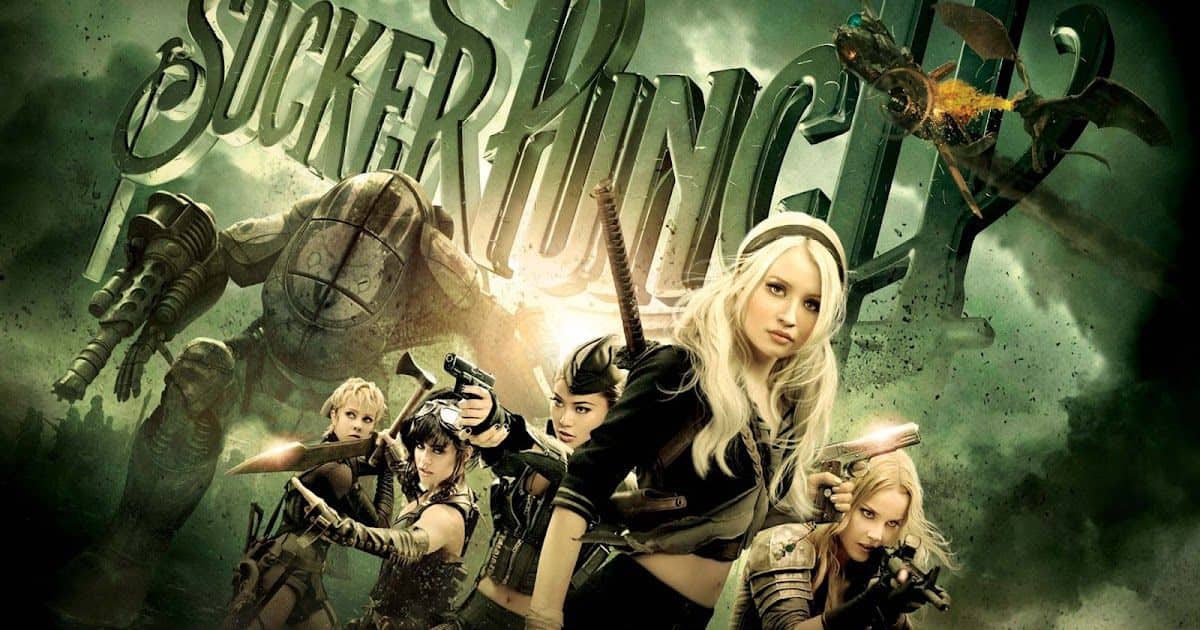
Zack Snyder’s film shares the name for a reason. It delivers stunning action while sneaking in deeper ideas about trauma, escapism, and the male gaze.
Quick plot without major spoilers: A young woman called Babydoll ends up in a grim institution. To cope, she retreats into rich fantasy worlds filled with samurai giants, dragons, WWI trenches, and mechs. She and fellow patients plan an escape while dancing distracts their captors. The visuals are explosive, the style pure video-game epic.
Critics split on it. Some loved the action but called it empty or overly sexualized. Others saw a smart critique: the film shows hyper-stylized women fighting while commenting on how society (and audiences) consume those images. Snyder said the title works two ways, one for the story twist, another for audience expectations about the lead character.
The movie operates on multiple reality layers: the asylum, a brothel fantasy, and deeper action dreams. This structure mirrors dissociation and coping with abuse. Many viewers miss the deeper message on first watch because the fights are so entertaining. That itself becomes part of the “sucker punch.”
Whether you see it as feminist, anti-feminist, or just stylish chaos, it sparks conversation. Watch the director’s cut if you can, it adds more context.
Content Gaps Competitors Often Miss
Many articles focus only on the idiom or only on the movie. Here is what gets overlooked:
– The serious public health angle of one-punch deaths and how laws evolved.
– Everyday non-physical “sucker punches” like emotional betrayal or sudden life changes.
– Actionable, beginner-friendly awareness habits instead of just advanced martial arts moves.
– How the movie’s layered structure actually reflects real psychological responses to trauma.
– Cross-cultural differences (coward punch laws in Australia vs. general US usage).
This complete view helps you understand the full picture.
Actionable Tips You Can Use Today
Build the habit of scanning environments, takes 10 seconds when entering a new place.
Role-play scenarios with friends: practice calm de-escalation then quick exit.
Limit alcohol in risky settings or have a sober buddy.
Teach younger people (teens especially) about one-punch risks.
If you train, add awareness drills, not just pad work.
After any head impact, monitor for concussion symptoms and seek help.
Small changes in awareness create big protection.
Conclusion
A sucker punch thrives on surprise and unfairness. Whether a literal cheap shot on the street or a sudden life blow, the feeling is the same, disorienting and wrong. Understanding the term, its dangers, and prevention strategies puts power back in your hands.
The movie Sucker Punch takes the idea further, using fantasy to explore escape and strength. It reminds us that our minds can build incredible worlds even in dark times.
Stay aware, choose peace when possible, and protect yourself and others. Life already throws enough surprises. Do not let a coward punch be one of them.
FAQ’s
Is a sucker punch always from behind?
No. It can come from any angle as long as it is unexpected and without warning. The key is the lack of preparation for the victim.
Can one punch really kill someone?
Yes. Falling and hitting the head on hard ground often causes fatal brain injury. Many real cases prove it.
What should I do if I see a sucker punch happening?
Call for help immediately, record if safe, and get medical aid for the victim. Do not jump in unless you are trained and it is necessary.
Is the movie *Sucker Punch* worth watching?
Yes, especially if you like stylish action and do not mind thinking about themes afterward. It rewards multiple viewings.
How do I improve my situational awareness?
Start simple: no phone while walking, note people around you, trust instincts, and practice in low-stakes settings like malls or streets. Over time it becomes automatic.