

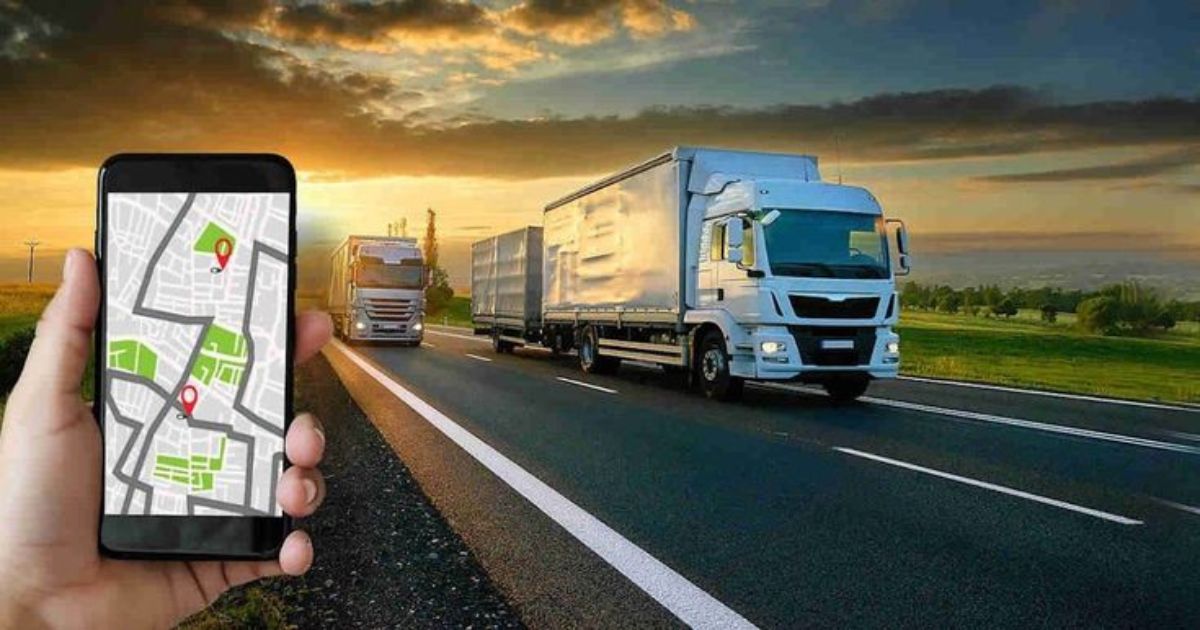
Have you ever misplaced your keys right before heading out, or worried about where your car is parked in a busy lot? Or maybe your dog wandered off during a walk and your heart started racing? These little stresses add up fast. That’s where a tracqueur comes in handy.
In simple terms, a tracqueur is a tracking device or system that shows you the real-time or recent location of your belongings, vehicle, pet, or even loved ones. The word comes from the French “traqueur,” meaning tracker, but in everyday American use, it refers to GPS trackers, Bluetooth tags, and smart apps that keep tabs on what matters most.
In the US, where car thefts, package losses, and busy family schedules are common, tracqueurs have become everyday tools. They offer peace of mind without much hassle. This guide covers everything you need to know, from how they work to picking the right one for American life, so you can decide if it fits your needs.
What Exactly Is a Tracqueur?
A tracqueur is basically a small electronic helper that monitors location and movement. You attach it to something or install an app, and it sends updates to your phone.
Most people use them for cars, keys, wallets, luggage, pets, or kids. Some advanced versions track fitness activity or fleet vehicles for small businesses. They combine GPS for outdoor accuracy, Bluetooth for close-range finds, and mobile networks for updates across cities or states.
Think of it like a digital leash or a friendly reminder system. In 2026, these devices are smaller, smarter, and more affordable than ever. Many work with popular apps and integrate well with iOS and Android.
How Tracqueurs Actually Work
The process is straightforward. First, the device figures out its position using GPS satellites outdoors or nearby Wi-Fi and Bluetooth indoors. Then it sends that info over cellular networks or Bluetooth to the cloud. Finally, you see it on a clean map in the companion app, often with history, speed, and alerts.
Battery life varies. Compact Bluetooth tags like AirTags last a year or more on a coin cell. Dedicated GPS units for cars might need recharging every few days to weeks, or they plug into the vehicle’s power. Many now have “power-saving” modes that update less often when stationary.
Real-world example: A driver in Los Angeles attaches a small magnetic GPS tracqueur under their truck. If the vehicle moves unexpectedly at night, the phone buzzes with an alert and shows the live route.
Popular Types of Tracqueurs Available in the US
Bluetooth Trackers (e.g., Apple AirTag, Tile, Samsung SmartThings): Great for keys, bags, and wallets. They ring when nearby and use the crowd-sourced network for wider finds.
GPS Trackers for Vehicles: Magnetic or wired units for cars, motorcycles, or RVs. Provide real-time tracking across all 50 states.
Pet Trackers: Collar attachments with GPS for dogs and cats that love to roam.
Personal and Family Trackers: Wearables or small devices for kids, elderly parents, or solo travelers.
Asset and Fleet Trackers: Used by small businesses for equipment or delivery vans.
Each type solves a specific headache. A Bluetooth tag won’t track your car across the country, but a proper GPS unit will.
Why Americans Are Turning to Tracqueurs in 2026
Car theft remains a real issue in many cities. Package porch piracy happens daily. Pets escape yards. Families want quick ways to check on teens or aging parents without constant calls. A tracqueur quietly handles the background work.
Business owners use them to cut fuel waste, prove delivery times, or recover stolen tools. Travelers keep eyes on checked luggage. The result? Less worry and faster recovery when things go wrong.
Key Benefits Backed by Real Use
Recovery After Loss or Theft: Many users report finding vehicles or items within hours instead of never.
Peace of Mind for Families: Parents see when kids reach school or sports practice. Adult children monitor parents with dementia who wander.
Cost Savings: Fleet users notice lower fuel use and better route planning. Individuals avoid replacing lost high-value items.
Safety Features: Some include SOS buttons, geofencing (alerts when something leaves a set area), and crash detection.
Historical Data: See where your car has been, useful for insurance claims or teen driving habits.
One Texas family shared how their pet tracqueur helped locate their escaped Labrador within 30 minutes during a storm. They drove straight there and avoided a long search.
Best Tracqueurs for the US Market Right Now
Popular choices include Apple AirTag for Apple users, Tile for broader compatibility, and dedicated GPS like Bouncie, Tracki, or LandAirSea models for vehicles. Look for strong US cellular coverage, especially on AT&T, Verizon, or T-Mobile networks.
Consider your main need first. For everyday items, start cheap with Bluetooth. For a car you park on the street often, invest in a reliable GPS unit with magnets and long battery.
Practical Buying Tips:
- Check subscription costs, many GPS trackers need monthly service (often $10–30).
- Read recent reviews for battery claims and app reliability.
- Prioritize waterproof, durable builds for outdoor use.
- Test the app interface, it should feel simple on your phone.
Legal and Privacy Considerations in the US
Tracking your own property is generally legal. But secretly tracking another adult without consent can violate state and federal laws, including stalking or wiretap statutes. Always get permission for shared family use.
Major brands build in anti-stalking features, like unknown tracker alerts on iOS and Android. Use strong passwords, enable two-factor authentication, and review privacy policies. Good devices encrypt data and let you control sharing.
Common Challenges and How to Handle Them
Battery drain is the top complaint. Choose devices with decent life for your use case and set smart update intervals. Signal issues happen in parking garages or rural spots, modern units combine multiple technologies to improve this.
Cost adds up with subscriptions, so factor that in. Start with what you need most instead of buying multiple at once. Privacy worries are valid, stick to reputable brands and transparent companies.
Actionable Tips to Get Started Safely
1. Identify your biggest pain point, car security, pet safety, or lost keys.
2. Research 2–3 options with recent US user reviews.
3. Set up geofences immediately for alerts.
4. Test thoroughly in your usual areas before relying on it fully.
5. Combine with other habits like good locks and awareness.
For families, discuss openly and show everyone how to use the app. For businesses, check insurance discounts that sometimes come with tracking.
The Future of Tracking in America
Newer models get smarter with AI predictions, longer batteries, and better integration into cars and smart homes. Expect smaller sizes and more seamless experiences. As 5G and improved networks spread, accuracy and speed will keep improving.
Conclusion
A tracqueur won’t solve every problem, but it handles one of life’s common frustrations, not knowing where something important is. Whether you want to protect your daily driver in a big city, keep tabs on a beloved pet, or simply stop losing your wallet, the right device delivers real help with minimal effort.
Start small, choose based on honest needs, and use it responsibly. Millions of Americans already enjoy the calm it brings. Your turn could be as simple as clipping on one small tag or installing a discreet unit.
FAQ’s
What does tracqueur mean?
It is the French word for tracker. In English, especially in product searches, it refers to any device or app that tracks location or movement of items, vehicles, or people.
Are tracqueurs legal to use in the US?
Yes, when tracking your own property or with clear consent from others. Secretly tracking adults without permission can break laws, always check your state rules and get agreement for family use.
How much do good tracqueurs cost?
Bluetooth tags start under $30 with no monthly fee. Vehicle GPS trackers range $20–150 upfront plus $10–30 monthly for service, depending on features and coverage.
Can a tracqueur work across the entire United States?
Most quality GPS models do, thanks to major cellular networks. Coverage is strongest in populated areas, check maps for very remote spots.
What’s the best tracqueur for beginners?
Apple AirTag or Tile for simple item tracking. For cars, something like Bouncie or a similar plug-and-play GPS unit that pairs with a clean phone app. Test the app first.
Read More: What Are Smoothiepussit and Why Everyone Is Talking About Them